
Guide tackles rising condo heat challenges in B.C.
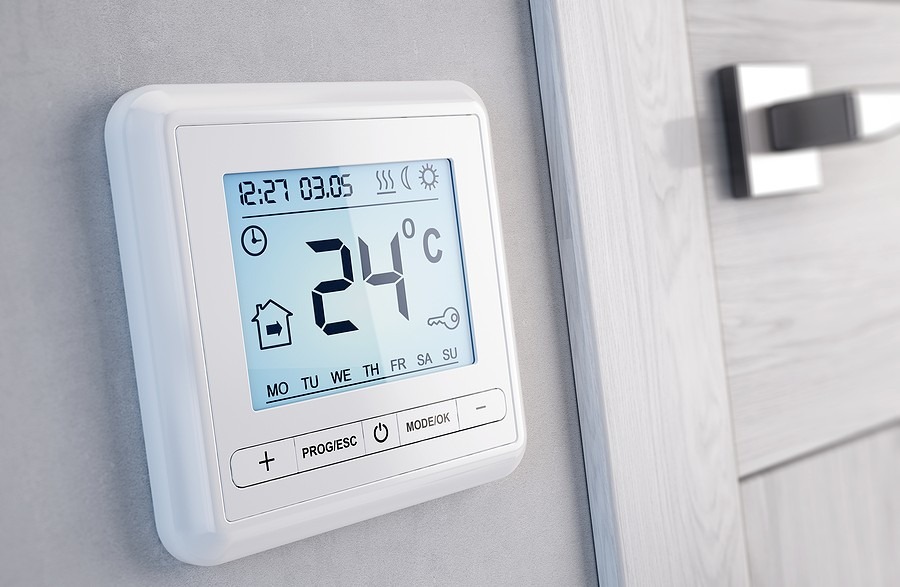
A new guide outlines how strata communities can reduce heat risks in condominium buildings and improve occupant safety during extreme heat events.
The publication, Cooler Condos, addresses overheating challenges specific to British Columbia’s residential strata buildings. It is part of the Zero Emissions Innovation Centre (ZEIC)’s Strata Energy Advisor program. It focuses on rising indoor temperatures in multi-unit residential buildings and the challenges strata councils and residents face.
Climate projections cited by ZEIC suggest Vancouver could see nearly five times as many days above 30° C by 2050 as it does today. The organization says this trend is already driving concern among condo owners.
“We’re hearing from condo owners across B.C. that they want safer, cooler, and more resilient homes,” said ZEIC executive director Melina Scholefield. “Cooler Condos was created to help strata communities better understand overheating risks and navigate practical solutions.”
Health officials also point to the risks of extreme heat indoors. “Safe indoor temperatures are crucial for health and safety,” said Dr. Michael Schwandt, medical health officer with Vancouver Coastal Health. He added practical guidance can help protect residents during heat events.
Condo constraints
The guide notes that strata buildings face different constraints than single-family homes. “Cooling solutions for single-family homes are relatively straightforward, but strata condo communities face a distinct set of barriers,” said Tony Gioventu, executive director of the Condominium Home Owners Association (CHOA) of BC. These include bylaws, electrical limits, cost, and approval processes.
The guide identifies higher-risk residents, including seniors, people with chronic conditions, and those living in upper-floor units without cooling systems. It outlines both active and passive strategies. These include heat pumps, exterior shading, improved ventilation, and green infrastructure. The guide also discusses building-scale measures such as upgrades to common areas, roofs, and shared systems.
The guide also addresses governance issues that can delay action. It encourages strata councils to plan for retrofit coordination, clarify approval pathways, and consider emergency preparedness and neighbour check-ins during heat events.
The publication is aimed at both residents and strata councils seeking practical steps to reduce the risk of overheating and improve comfort in multi-unit housing.
Sign up for our weekly newsletter
Construction Canada weekly newsletters give the latest AEC industry news for those who build, design, engineer, specify, renovate or operate in the built environment.
Popular Articles
-
1
-
2
-
3
-
4
-
5
Read the Latest Issue

- Message from the president | Message de la présidente: Recognizing the expertise behind better construction documents
- CSC Calgary: 2026 In-person Specifier Course
- Thermal Envelope+ Workshop
- CSC Summer Social | Party Bike
- Message from the president | Message de la présidente: The power of early collaboration