New multiplex adds density without breaking neighbourhood character
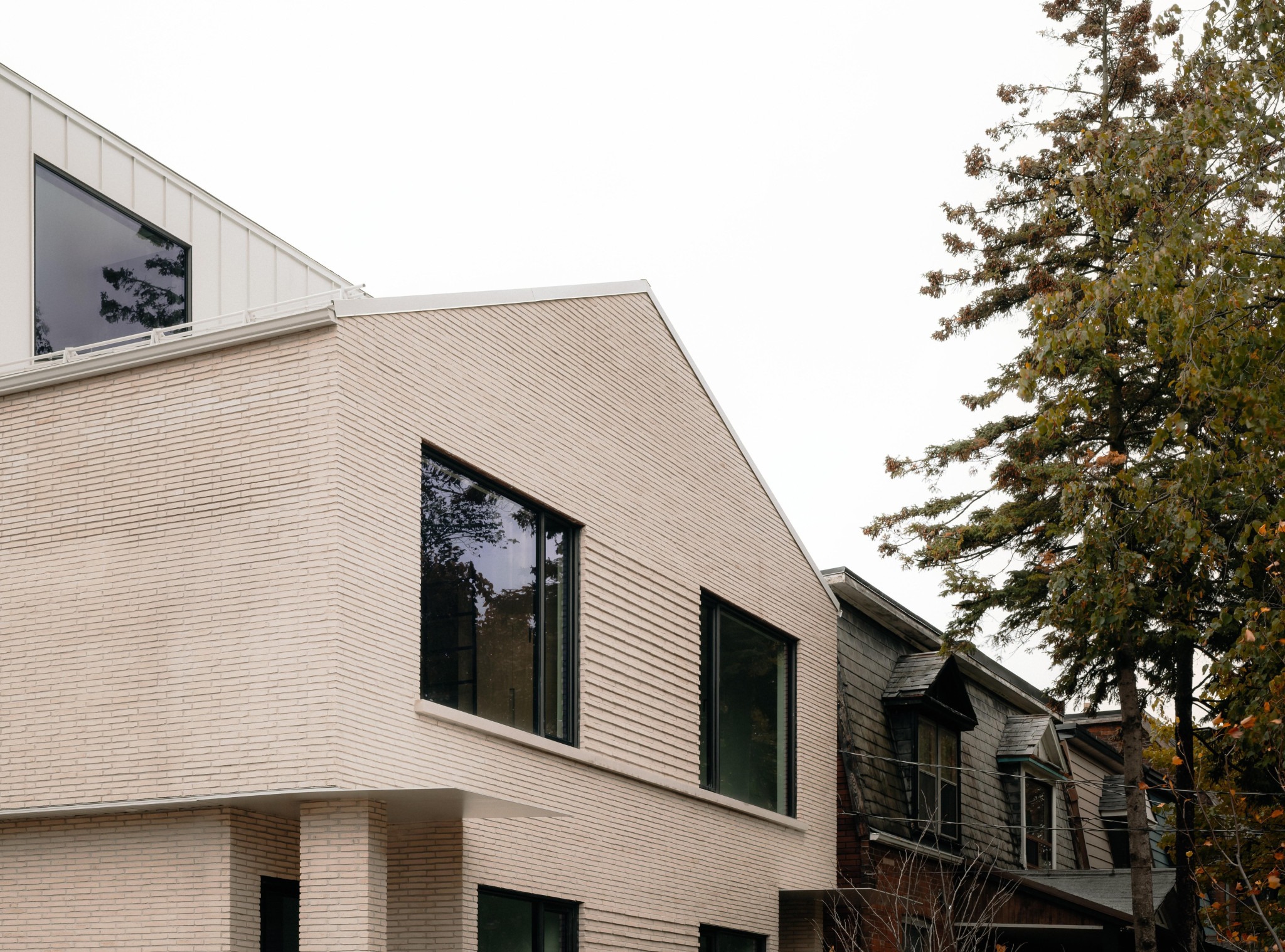
The Montrose Sixplex near Bickford Park demonstrates how Toronto’s evolving zoning by-laws can support added density while maintaining neighbourhood character.
The project, designed by Gabriel Fain Architects, is located in a low-rise residential neighbourhood. The six-unit rental housing project spans two lots and explores the architectural potential of incremental density. The development consists of two semi-detached multiplexes facing the street and two laneway houses at the rear of the site, oriented toward Bickford Park, according to a media release.
The street-facing buildings are conceived as a single gabled form, in keeping with the surrounding residential context. The laneway houses, though smaller in scale, align closely with the street-facing buildings in massing and proportions.
The interior spaces, designed in collaboration with Unison Group, are defined by a warm material palette. Large floor-to-ceiling sliding doors bring natural light deep into the open-plan interiors.
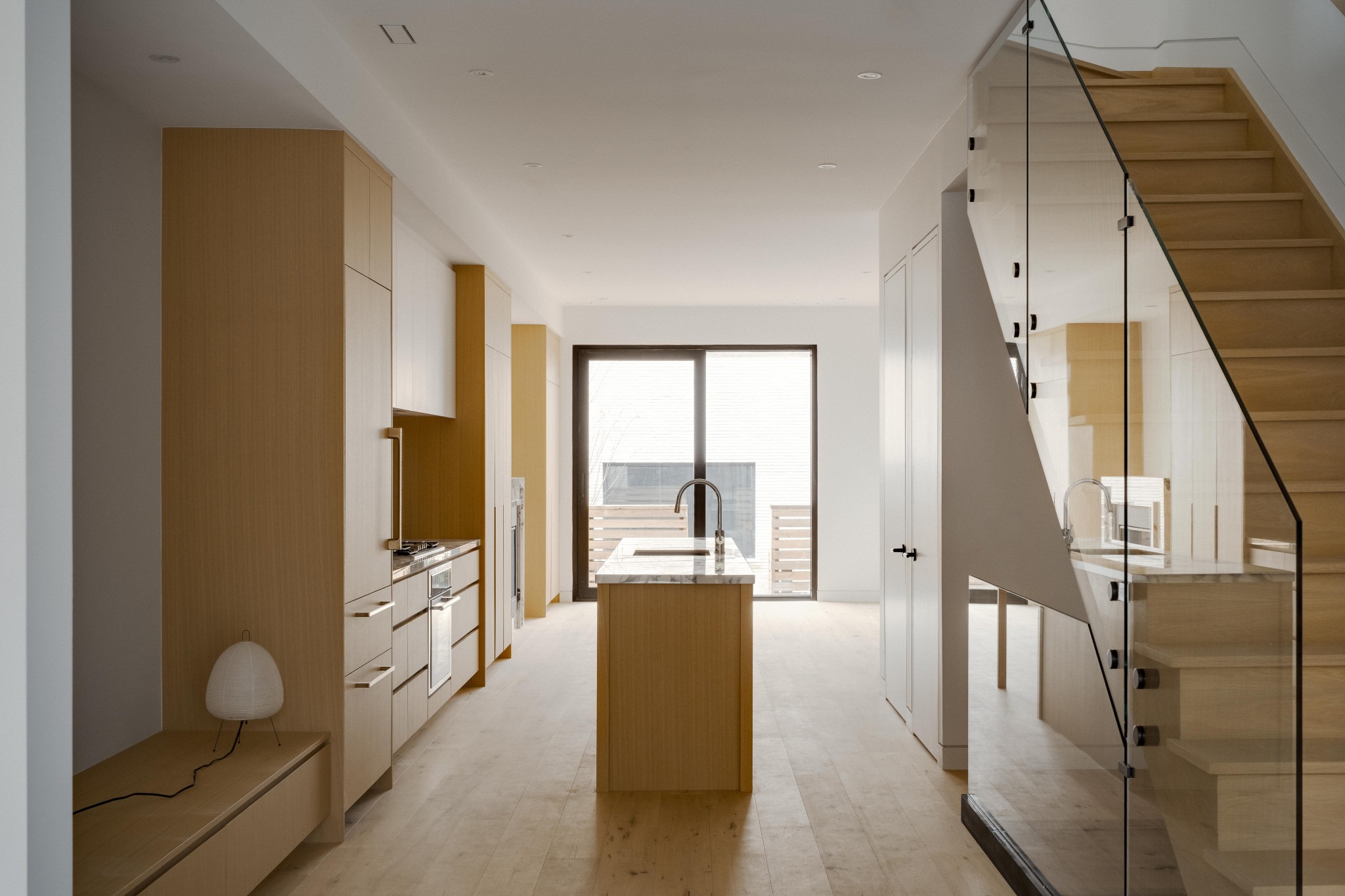
The project design uses the flexibility of contemporary planning and zoning regulations to explore a more nuanced architectural response, according to v2com. By integrating added density while retaining neighbourhood character, the project broadens the range of housing types in Toronto.
Sign up for our weekly newsletter
Construction Canada weekly newsletters give the latest AEC industry news for those who build, design, engineer, specify, renovate or operate in the built environment.
Read the Latest Issue