Exclusive: Commemorating Earth Day
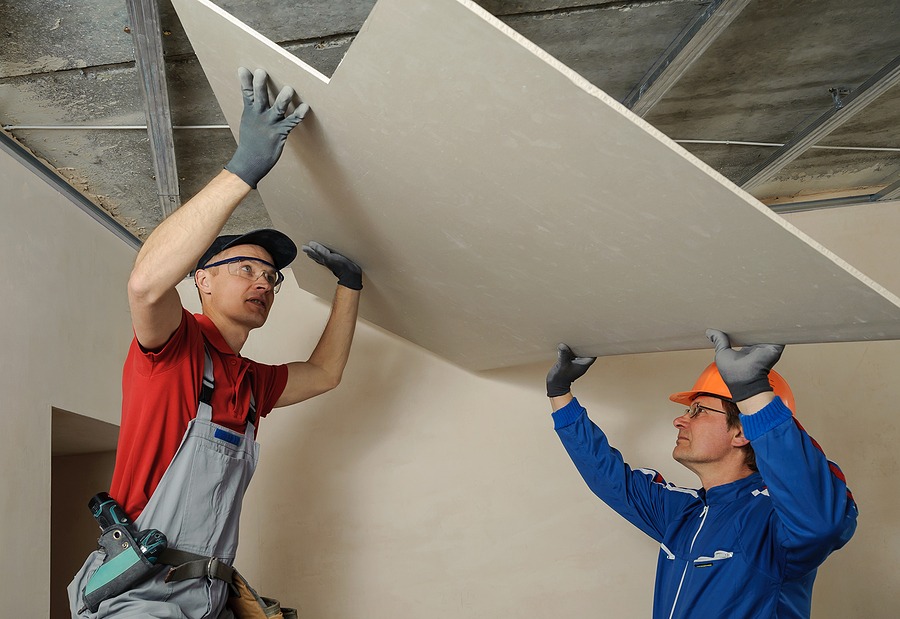
In commemoration of Earth Day on April 22, Construction Canada spoke with a representative of a gypsum board manufacturer on how drywall scrap can be efficiently recycled into new board without performance loss, delivering cost-savings, and sustainability benefits.
These initiatives allow contractors to return clean, new wallboard scraps of its proprietary brands directly to the company’s facilities, where the material is reintegrated into the production line to create new panels. The closed-loop system provides a double benefit for the trades: it significantly reduces tipping fees and landfill waste while helping builders meet increasingly strict LEED and municipal sustainability requirements.
According to Mehdi Boualaoui, plant manager at CGC Inc. in Montreal, the goal of the company’s proprietary Take-Back program is to reintegrate all qualified returned material back into the manufacturing process, provided it meets quality requirements. Gypsum is infinitely recyclable, and through formulations developed at our research centre, high-quality panels are produced using recycled gypsum at a controlled ratio, with no loss in performance.
“We quantify emissions reductions by measuring the amount of gypsum diverted from landfill and reused in new panel production. A recent example from our Montreal operations involved more than 40 tonnes (44 tons) of gypsum returned through a partnership with RCM Modular Solutions. That was equivalent to roughly 1,800 lightweight drywall sheets and reduced emissions by 4,860 kg (10,714.4 lb) of CO2e,” says Boualaoui.
A program like this supports project teams looking to improve construction waste diversion and demonstrate responsible materials management. It can help contractors and builders support LEED-related waste-diversion objectives and respond to increasingly stringent municipal sustainability and waste-reduction requirements.
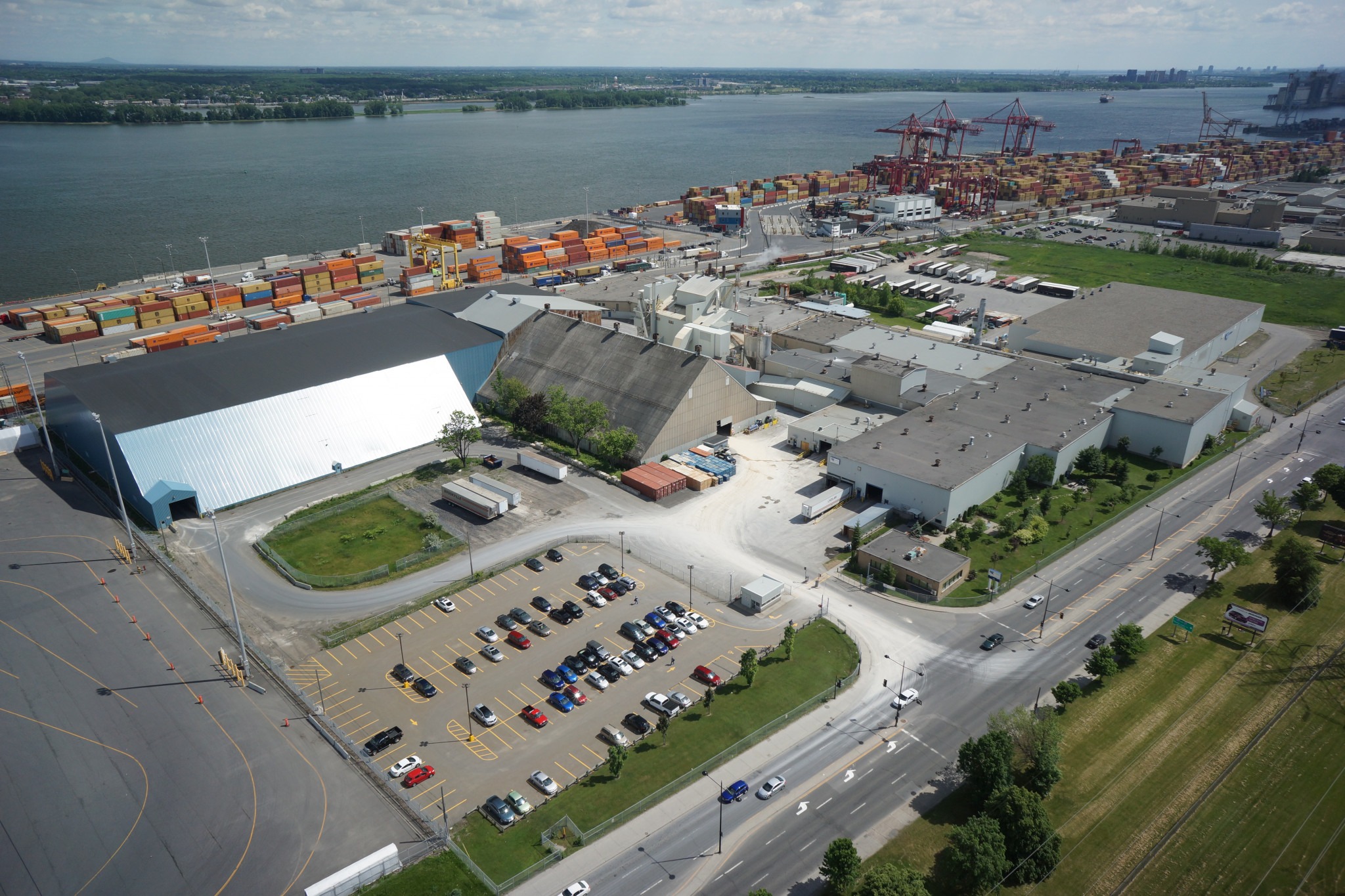
One of the biggest barriers to recycling drywall scrap is logistics. “Construction sites are fast-paced, and keeping drywall scrap clean requires planning, coordination, and enough volume to make return shipments efficient,” adds Boualaoui. “Transportation and customer proximity also matter. Montreal is well-suited to the program because a high concentration of customers is located close to the plant. That makes the return loop easier to manage.”
According to Boualaoui, Ontario has strong potential, but expansion still depends on having the right combination of site-level participation, regional infrastructure, and efficient transportation.
Programs such as these are being recognized by contractors not just as sustainability initiatives but also as practical business solutions. When builders see a program that can help reduce landfill costs, support green-building requirements, and keep projects moving, it becomes less about adding work and more about removing waste from the process.
“We are closer than many people think, but we are not fully there yet. The core elements already exist. We know how to recover clean, new drywall scrap, return it to the plant, and reintroduce it into new board manufacturing. That is a real closed-loop process,” says Boualaoui. “The next step is scaling the surrounding system: more jobsite participation, more efficient logistics, more regional collection capacity, and more consistent volumes. So, the concept is proven. The challenge now is making that model easier and more routine across more markets.”
Sign up for our weekly newsletter
Construction Canada weekly newsletters give the latest AEC industry news for those who build, design, engineer, specify, renovate or operate in the built environment.
Read the Latest Issue

- CSC Hamilton-Niagara: Engineer’s View of Lime-Mortared Masonry with International Expert
- Message from the president | Message de la présidente: CSC First Quarter Update
- CSC Hamilton-Niagara Fun Night: Bowling at Parkway Social
- Oktoberfest 2026 – Vancouver Chapter CSC Trade Fair
- CSC Calgary October Meeting
Demo-Casts