Highlighting women leading the charge in sustainable architecture and design
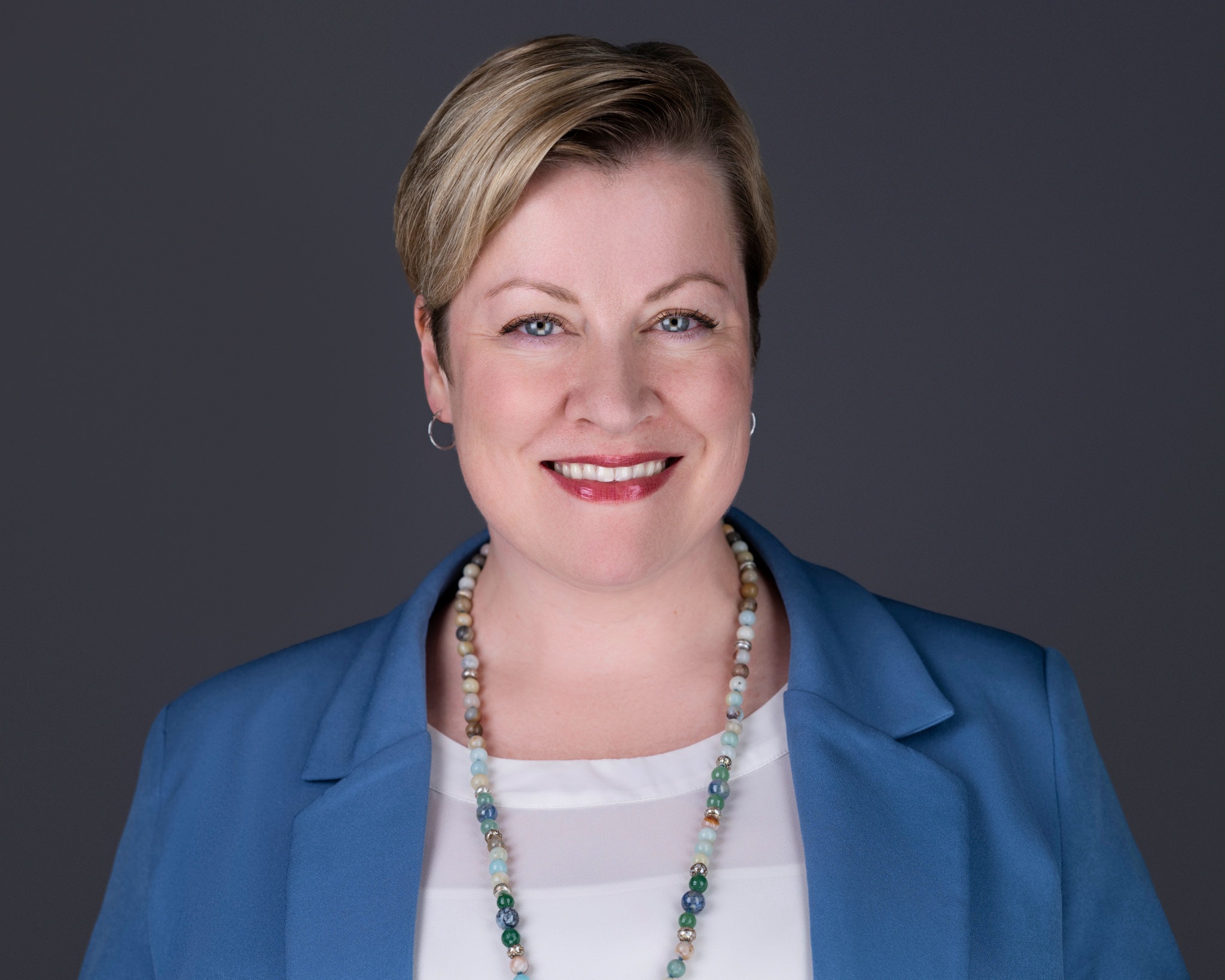
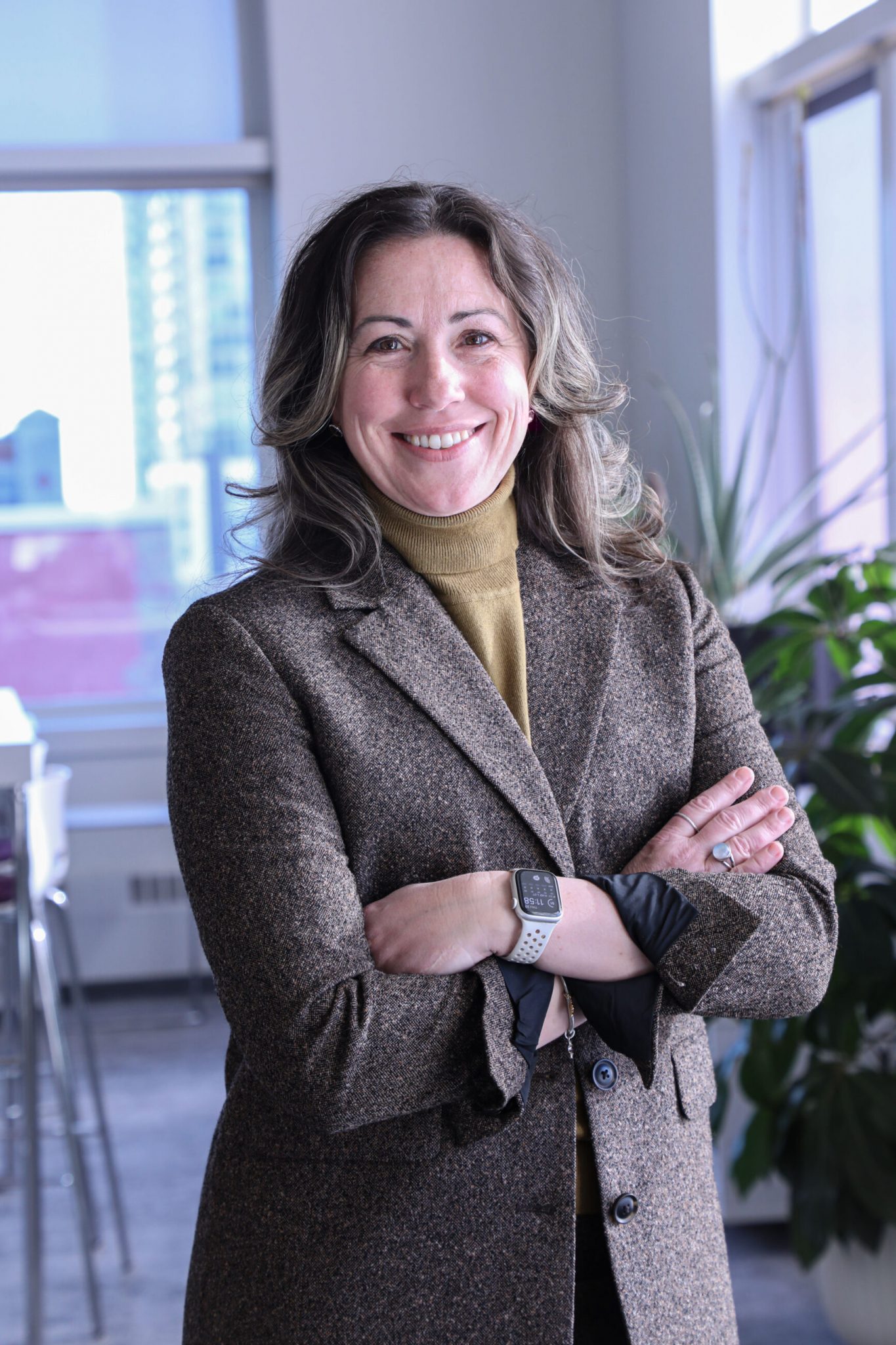
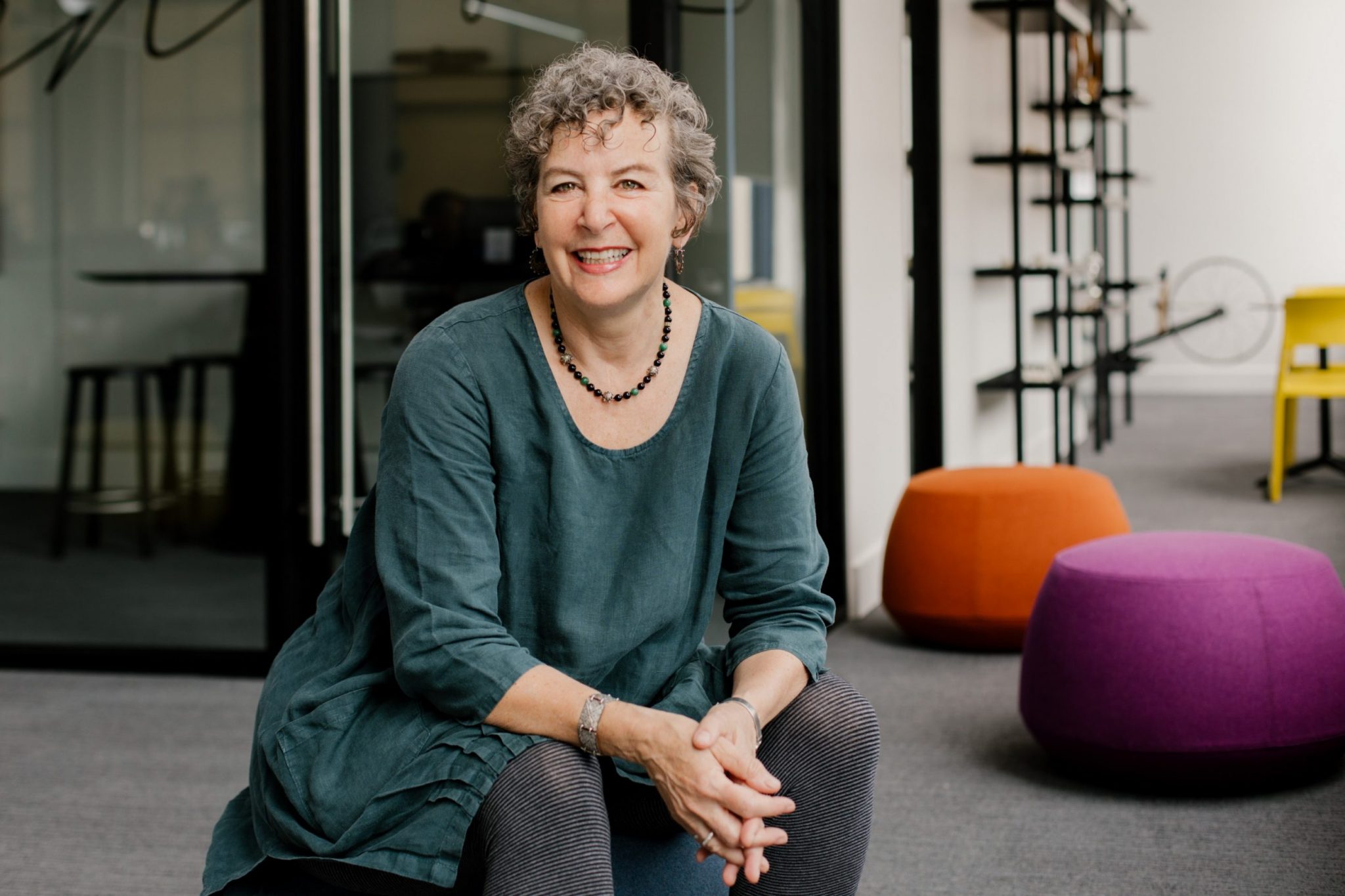
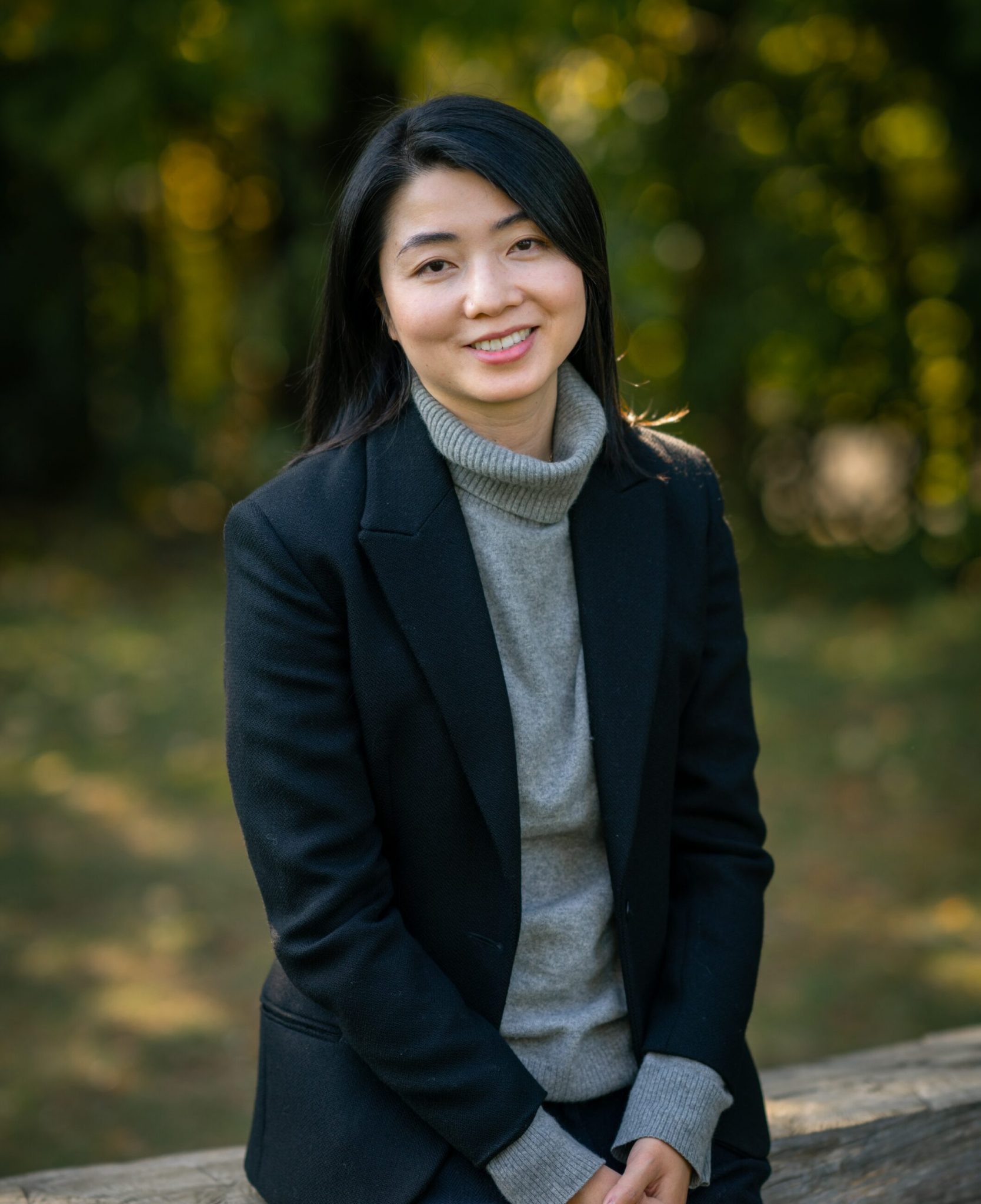
On International Women’s Day, celebrated on March 8 every year, Construction Canada spoke to DIALOG’s Eleanor Mohammed, partner, urban governance and planning; Katherine Gerson, associate and architect; Jie Chen, partner and architect; and Crystal Blanton, associate and senior structural engineer—four women who exemplify leadership in sustainable architecture and design across Canada.
As a leader in the AEC industry, what does International Women’s Day mean to you?
Eleanor Mohammed: It is both a celebration and a call to action. In the AEC industry, where leadership tables often do not reflect the diversity of the communities we serve, it is a moment to recognize the women who have reshaped the profession through courage, competence, and conviction.
Katherine Gerson: It is important, particularly working in a male-dominated field, to capitalize on these opportunities to give a voice to underrepresented and marginalized groups. The fact that conversations around equity and diversity have broadened to be more inclusive is a sign that initiatives like International Women’s Day are helping, but still necessary!
Jie Chen: It is a moment for reflection and action. An opportunity to consider what more I can do to advance women in the workplace. This year’s theme, Give to Gain, resonates deeply with me. Crystal Blanton: It’s a celebration honouring the women who helped pave the way, reflecting on all the contributions women have made to the industry, and acknowledging what we could do better to raise the women around us.
What advice would you share with women who are starting their careers in AEC?
Eleanor Mohammed: Do not wait for a title to lead. Leadership is how you show up, frame challenges, and support others. Be clear about your passions and values.
Katherine Gerson: Advocate for yourself. Look for mentors and role models and reach out to them. Also, find yourself or build yourself a support community within the profession.
Crystal Blanton: You belong. Unfortunately, you will still run into individuals who think otherwise, but don’t allow anyone to tell you differently and take your place at the table.
What does a more equitable future in this industry look like to you?
Eleanor Mohammed: A more equitable future in AEC is one where leadership reflects the communities we design for and diverse perspectives shape decisions from the outset. It requires equitable access to mentorship, sponsorship, and advancement, along with procurement and governance systems that prioritize collaboration and long-term public good over short-term metrics.
Katherine Gerson: An equitable future is one where opportunities and pay are equal, and where we actively challenge systems that fall short.
Crystal Blanton: The representation of every gender and race in the AEC industry should mimic the same representation of gender and race in our communities. If we put in effort to provide equitable education opportunities and meaningful mentorship and outreach programs, we can achieve equity across all industries.
Sign up for our weekly newsletter
Construction Canada weekly newsletters give the latest AEC industry news for those who build, design, engineer, specify, renovate or operate in the built environment.
Popular Articles
-
1
-
2
-
3
-
4
-
5
Read the Latest Issue

Demo-Casts