This Quebec home is made from 200,000 plastic bottles
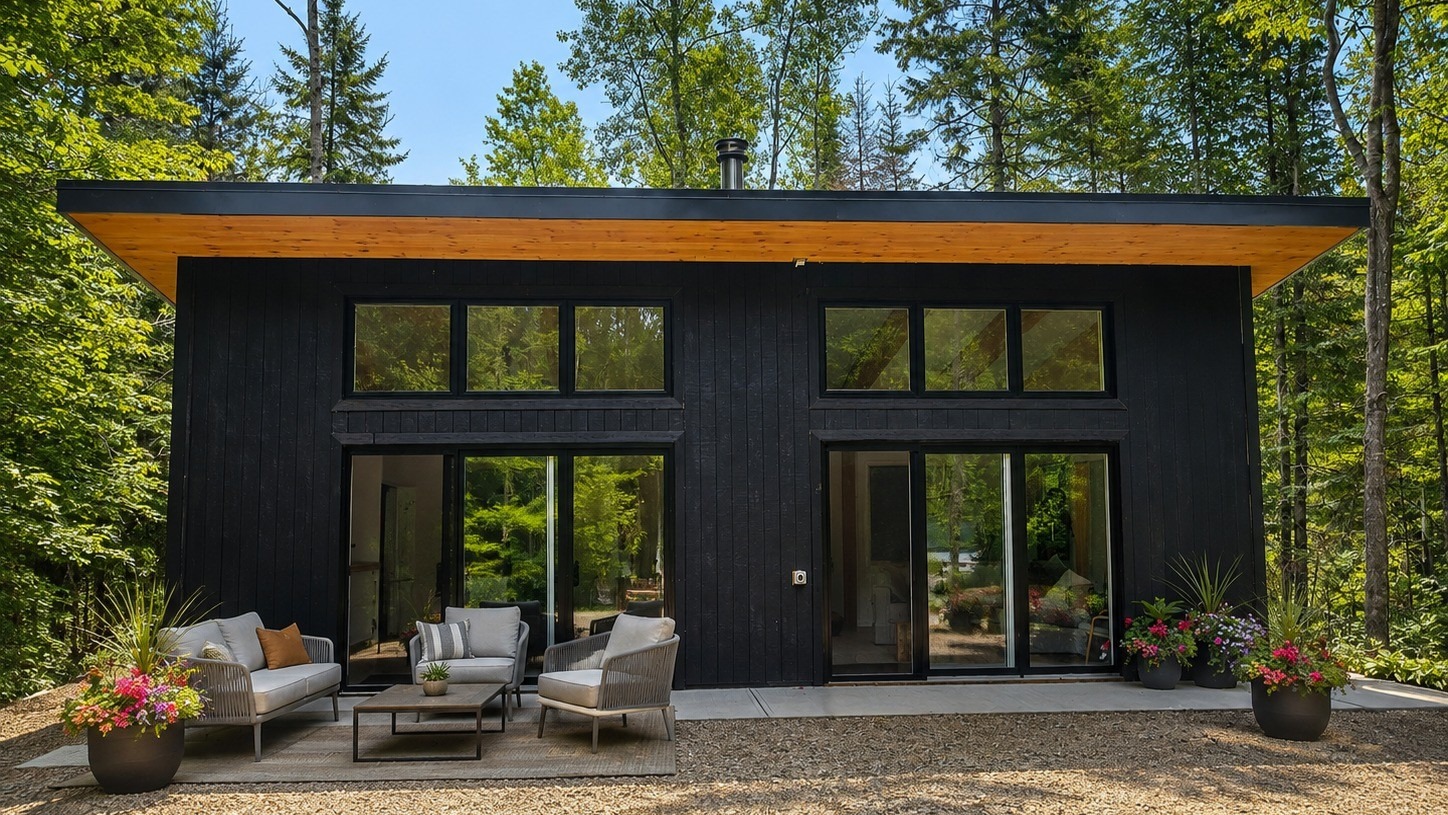
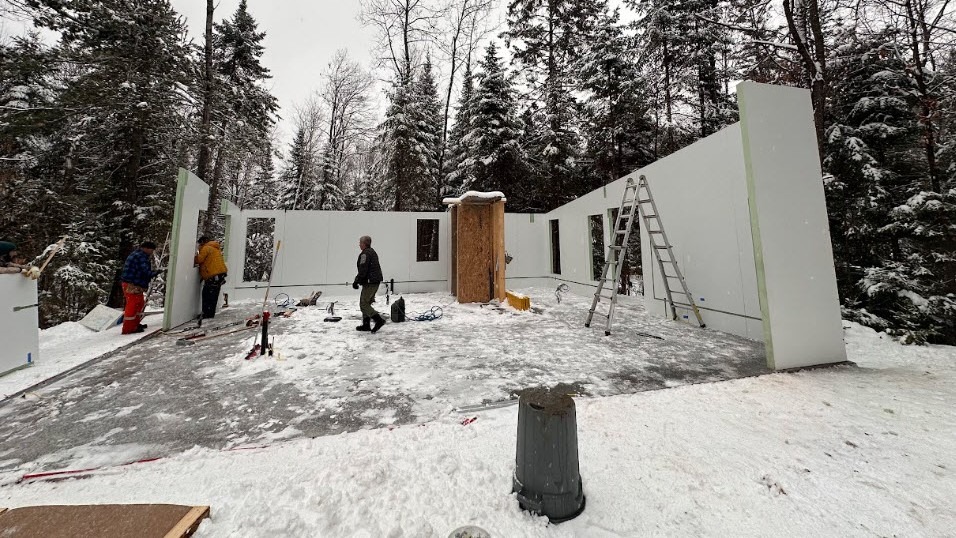
What if the plastic bottle you tossed yesterday became part of someone’s home tomorrow? In Saint-Rémi-d’Amherst, Que., that idea has taken shape in a 100 m2 (1,078 sf), two-bedroom home built with structural panels made from the equivalent of approximately 200,000 recycled plastic bottles. The structural shell took just three days to assemble on-site.
Québec-based cleantech company PakVille developed the building system, called PakVert, to combine structure, insulation, and finishing in lightweight, prefabricated panels. Builders can use the panels for walls, floors, and roofs. PakVille says the panels can replace multiple conventional building components.
PakVert was developed by Canadian entrepreneur and professional engineer Parinaz Pakniat. She says it aims to address two of the housing sector’s biggest challenges: construction costs and labour shortages.
PakVille estimates its system can cut construction costs by approximately 35 per cent compared with conventional methods, depending on the project scope.
“People want homes they can afford, without compromising quality or comfort,” said Pakniat, founder and CEO of PakVille. “We developed PakVert to make construction faster, simpler, and more affordable. The fact that we’re also giving plastic waste a second life makes it even more meaningful.”
Reduced environmental impact
The technology also aims to reduce the environmental impact of home construction.
PakVert panels feature a core made from 100 per cent recycled polyethylene terephthalate (PET). The panels resist moisture, mould, rot, and pests. PakVille says its homes can last at least twice as long as conventional homes.
For Daniel Massé, owner of the home in Saint-Rémi-d’Amherst, the technology’s energy efficiency and construction speed stand out. “When it comes to energy efficiency and speed of construction, it’s a product that I would recommend to anyone,” Massé said.
Webinars
Radon Protection from the Ground Up: Building with Spray Foam Insulation | Huntsman Webinar
Sign up for our weekly newsletter
Construction Canada weekly newsletters give the latest AEC industry news for those who build, design, engineer, specify, renovate or operate in the built environment.
Popular Articles
-
1
-
2
-
3
-
4
-
5
Read the Latest Issue

- 2026 Connections Cafe: Architectural & Design Community Registration
- CSC Hamilton-Niagara: Engineer’s View of Lime-Mortared Masonry with International Expert
- Message from the president | Message de la présidente: CSC First Quarter Update
- CSC Hamilton-Niagara Fun Night: Bowling at Parkway Social
- Oktoberfest 2026 – Vancouver Chapter CSC Trade Fair
Demo-Casts