Montréal marks 20 years as UNESCO City of Design
Montréal is marking two decades as a UNESCO City of Design, highlighting a municipal approach that has put design and architecture at the centre of public policy, procurement, and urban development.
The city joined the UNESCO Creative Cities Network in June 2006. At that time, it was the first North American city, and only the third worldwide, to receive the designation in design.
The work leading to this designation began earlier. In 1991, Montréal created a municipal office dedicated to design. The initiative helped establish design as a public-service function rather than an aesthetic consideration.
Since 2006, the city’s Bureau du design has expanded that approach. Montréal has held more than 60 design and architecture competitions for public projects over the past 20 years. The competitions have emphasized design quality and opened public commissions to a broader range of firms.
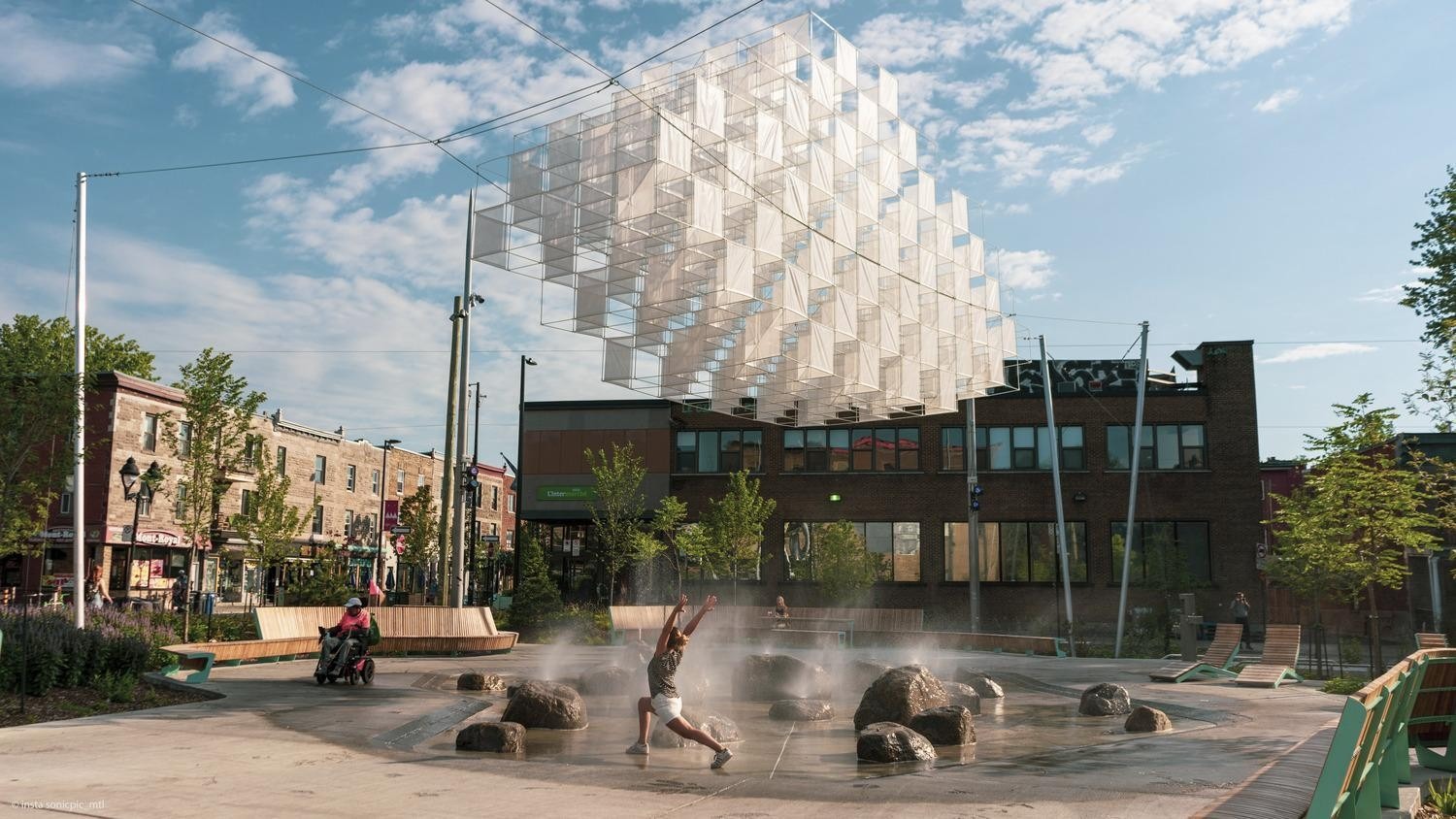
The strategy has produced a portfolio of prominent civic projects. They include the Biodôme and Insectarium transformations, Place des Montréalaises, the Montréal Soccer Stadium, Esplanade Tranquille, Théâtre de Verdure, and the Sanaaq Centre.
Measurable results
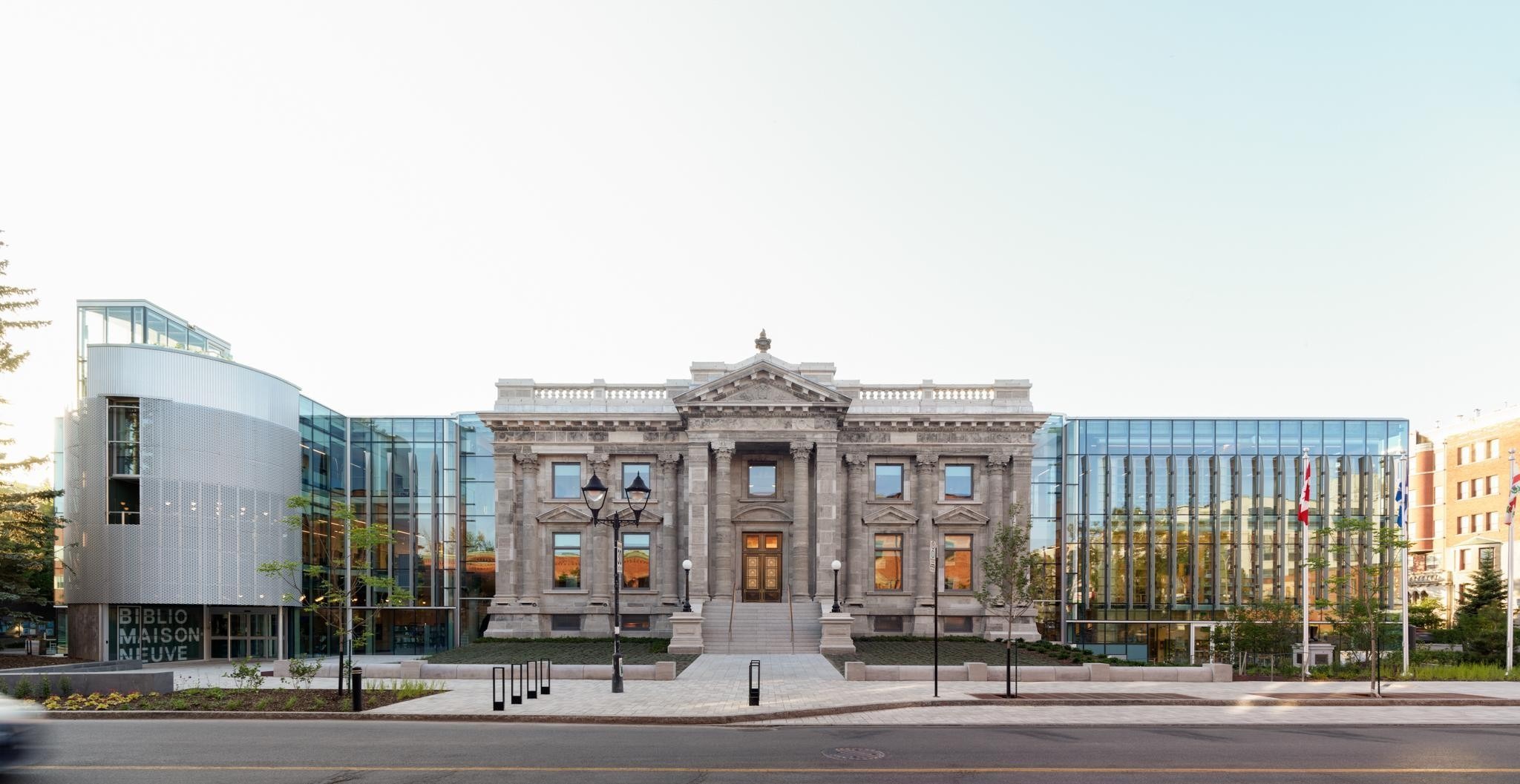
The approach has also delivered measurable results. Annual visits to libraries in the Mercier–Hochelaga-Maisonneuve borough rose 91 per cent after the Maisonneuve Library opened.
Montréal is now turning its focus to circular construction. The city is working with industry partners to map adaptive-reuse and circular-economy value chains in the construction sector. The goal is to identify barriers to innovation and accelerate the adoption of practical solutions.
The city says its design programs have influenced communities beyond Quebec. Commerce Design Montréal, for example, has been licensed to 14 cities, including New York City, Brussels, Luxembourg, Marseille, and Detroit.
Montréal’s 20th anniversary underscores a broader shift in municipal construction. Design is increasingly being used to improve public spaces, support sustainability, and address changing urban needs. The city says its next phase will build on that foundation as it pursues a more circular and resilient built environment.
Sign up for our weekly newsletter
Construction Canada weekly newsletters give the latest AEC industry news for those who build, design, engineer, specify, renovate or operate in the built environment.
Read the Latest Issue