Guardians of the gap: The crucial role of insect screens
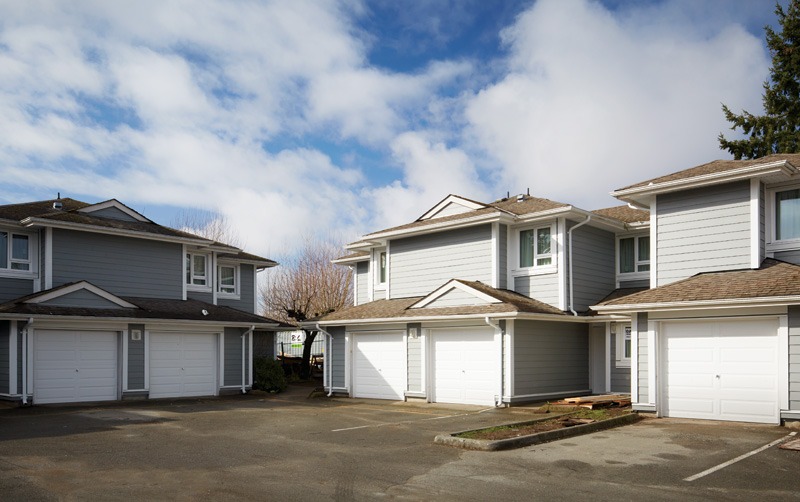
The concept of rainscreen cladding boasts an impressive historical lineage, originating from traditional building practices in Scandinavia and Europe. In ancient times, builders intentionally left a gap between the cladding material and the structural wall to allow air circulation and moisture management. This ingenious design prevented decay and upheld the building’s structural integrity.
Fast forward to modern times, and there has been a significant transformation in rainscreen cladding systems. Advances in construction materials and technologies have ushered in a new era of rainscreen principles. Today, lightweight materials such as fibre cement, vinyl, metal, and others have made it possible to incorporate rainscreen cladding into an array of architectural designs and building types.
The core concept of rainscreen cladding remains the same and revolves around creating an airspace or cavity between the exterior cladding material and the structural wall, moisture barrier, or insulation layer. The cavity acts as a secondary defence against moisture infiltration. It guides water away from the structural wall or insulation, preventing deterioration and damage to wall components. Also, the gap permits natural airflow within the cavity, increasing the drying potential, which minimizes moisture buildup and reduces the risk of rot or mould.
In “drained” or “screened” wall types, a minimum 9.5 mm (0.375 in.) gap serves as both drainage and capillary break. This value aligns with Section 9.27.2.2 of the British Columbia Building Code (BCBC), which specifies a minimum rainscreen cavity thickness of 9.5 mm to ensure an effective capillary break and limit precipitation ingress. In several instances, the drainage cavity will be larger depending on the material or components used; it can range from 9.5 mm (0.375 in.) to 38 mm (1.5 in.) depending on the wall assembly. These walls require openings at the top and bottom to allow airflow and drainage. This will allow evaporative drying of the inside face of the cladding and outside face of the inner cavity wall, and improve outward diffusion by bypassing the diffusion resistance of the cladding.
Insect screens in rainscreen cladding
Insects and pests can exploit the open gap in rainscreen cladding systems, making their way into the wall assembly and, potentially even worse, inside buildings. To counter this, insect screens are incorporated wherever the cavity is exposed to the outside, creating a gap between the cladding materials. These screens act as barriers, keeping pests at bay while ensuring proper airflow and drainage. Insect screens are integral to rainscreen cladding systems, which are pivotal in safeguarding the building envelope from insects and pests. The selection, installation, and upkeep of these screens are important for the overall performance of
a building.
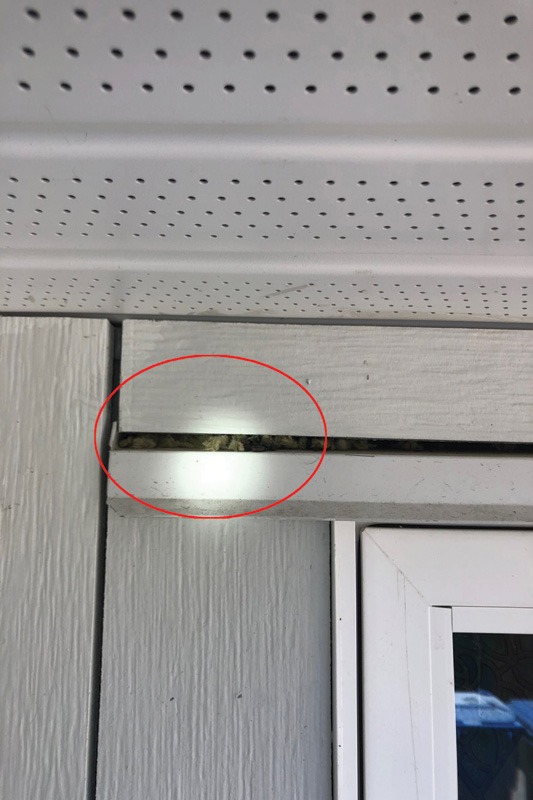
Insect screens are located at each top and bottom gap of the wall assembly. For example, the top insect screen is typically positioned near the roofline, below balconies or below through-wall flashings (between levels), acting as the first line of defence against insects and pests. Its primary function is to maintain the integrity of the cladding system and the insulation material behind it by preventing pests from entering the cavity. The bottom insect screen is typically situated above the ground level, at the base of a wall on a balcony, or above a through-wall flashing (between levels), playing a similar role to the top screen. It also acts as a drainage plane, allowing water to exit while keeping insects and pests out.
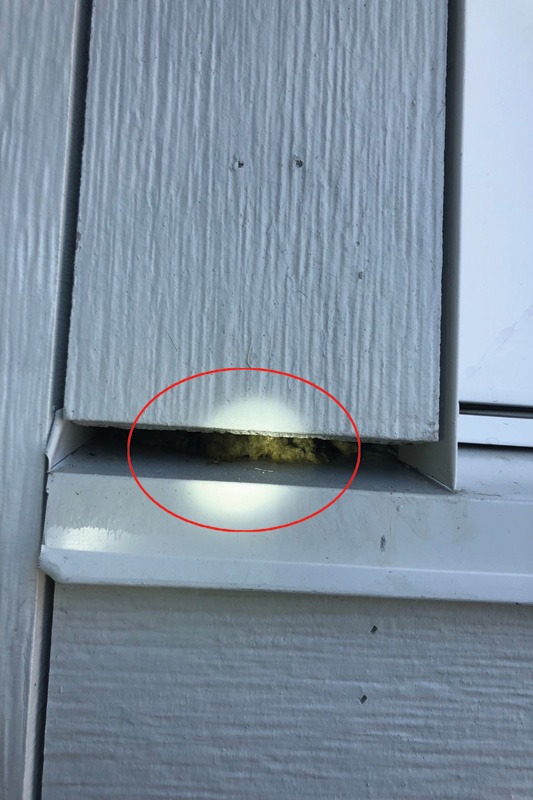
Insect screens are not limited to the top and bottom of rainscreen walls. They are also crucial above and below windows and door flashings within the wall system, providing proper ventilation while keeping insects/pests out.
Materials matter
When selecting insect screen materials, prioritize durability. Common options include stainless steel, aluminum, and synthetic materials such as fibreglass. The material choice hinges on factors such as climate, maintenance requirements, and budget constraints. Nevertheless, it is crucial to emphasize that stainless steel and aluminum insect screens stand out as resilient materials for integration into insect screen systems.
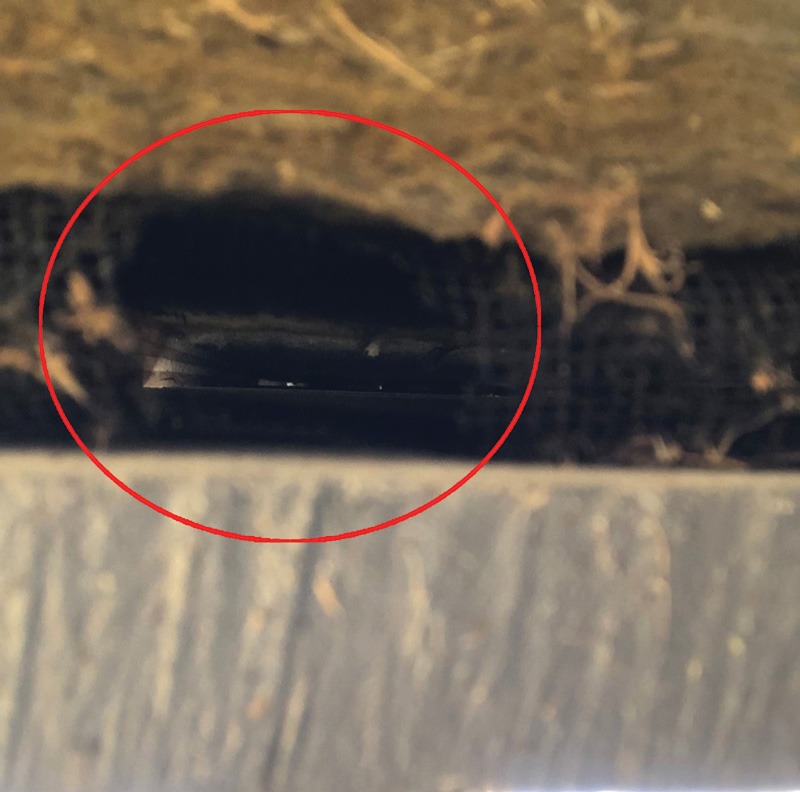
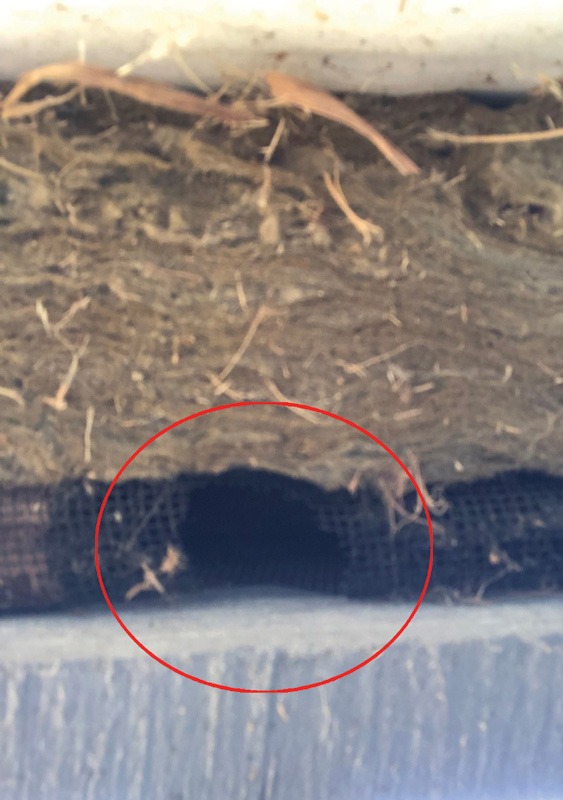
This preference arises from their robustness, as fibreglass insect screens have been reported to present vulnerabilities, with instances of rodents gnawing through them, thereby facilitating access to the interior of conventional rainscreen cladding systems.
Another crucial consideration is the mesh opening size. It should be small enough to deter insects but not so fine that it hampers airflow or water drainage. The ideal mesh size depends on the building’s specific needs and location.
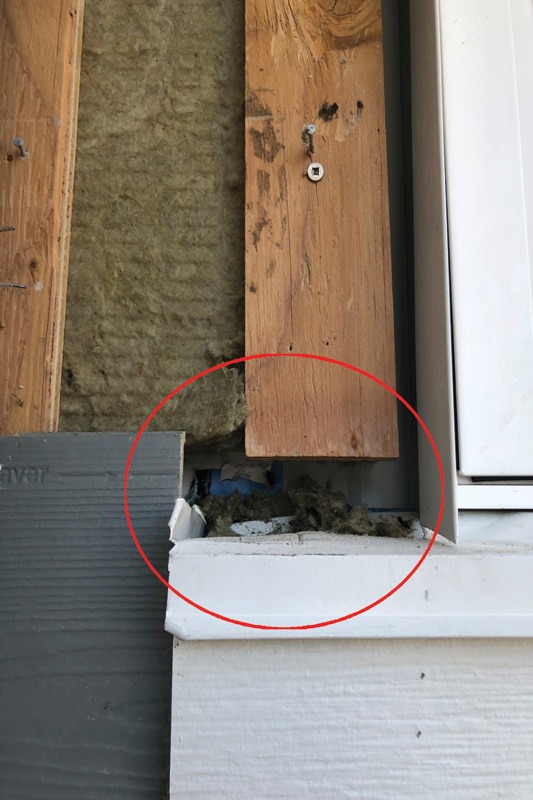
Proper installation ensures that screens function effectively. They should be securely attached to the rainscreen cladding structure, leaving no openings for insects. Moreover, the screens should not disrupt the ventilation and drainage functions of the rainscreen system.
In several milder climates, insulation outboard of the sheathing was not common until recent years. In most rainscreen wall assemblies, fibreglass mesh was typically used as the insect screen material of choice due to its cost efficiency, availability, and ease of installation.
With an increased focus on energy efficiency, installing a layer of insulation outboard of the sheathing is becoming more common, even in milder climates. Rodents and pests often seek refuge within the insulation layer outboard of the wall sheathing, making the selection and installation of the insect screen much more important. Nevertheless, it remains crucial to emphasize that the insect screen retains its significance even without the exterior insulation layer. Rodents tend to create openings in the screen, finding shelter or nesting between the vertical strapping sections. Hence, using more durable materials, such as aluminum and stainless-steel insect screens, may be preferred in some projects.
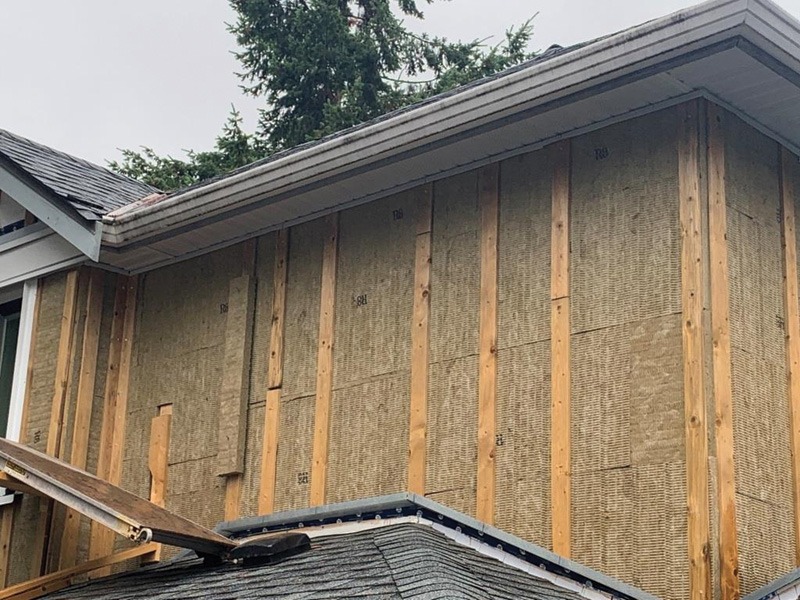
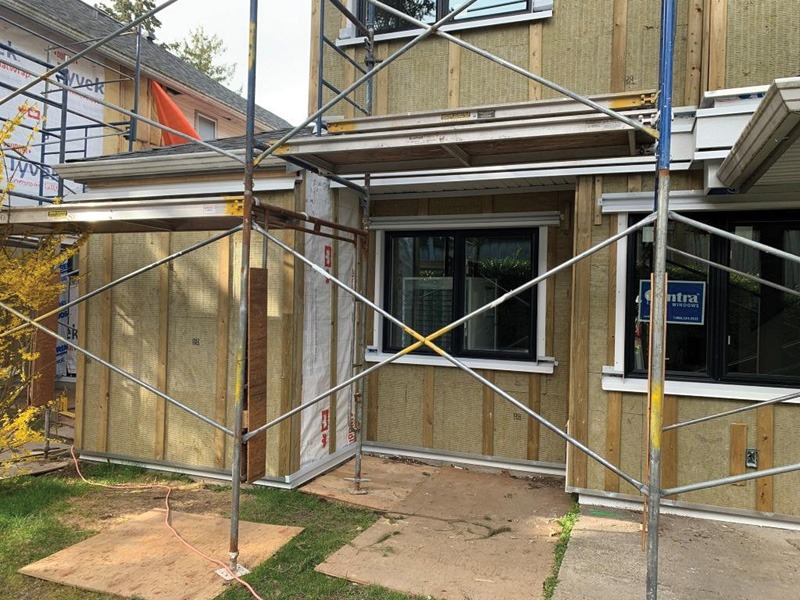
Returning attention to the insulation layer situated outside of the sheathing, it is crucial to recognize that safeguarding the insulation necessitates the application of an insect screen. This involves enveloping the insect screen around the vertical strapping and extending it to the rear of the exterior insulation, providing protection against rodent intrusion. While the thermal bridging effect of a conductive insect screen passing through the exterior insulation is generally minimal, it may still lead designers to prefer lower-conductivity materials, such as stainless steel, to help further mitigate any impact. Once they breach the insect screen, pests, insects, and rodents may establish nests within the wall cavity, specifically within the insulation layer. This circumstance has prompted a shift toward using sturdier materials, such as perforated aluminum or stainless steel insect screens. These screens provide durability and strength and entail low maintenance and heightened security, particularly in the design and construction of exterior insulated rainscreen wall assemblies.
Although perforated aluminum or steel screens are more expensive and labour-intensive to install than their fibreglass mesh counterparts, they prevent rodents from entering wall assemblies more effectively.
A common practice in the construction of masonry or concrete block-clad walls is incorporating weep holes strategically placed at the base of walls or floor lines. These weep holes manifest as intentional gaps between bricks or blocks at the mortar joints. While these openings facilitate drainage and prevent moisture buildup within the walls, they inadvertently create pathways for pests and insects to infiltrate the exterior structure.
Various solutions are employed to counteract the potential intrusion of pests, with plastic or metal inserts being a prevalent choice. These inserts are strategically positioned within the weep holes, acting as barriers to minimize the entry of unwanted organisms into the building envelope.
In a parallel effort to address insect intrusion, some window manufacturers have taken additional precautions. They have integrated flaps into the design of window weep holes to create a more effective deterrent against pests. These flaps impede the entry of insects, preventing them from nesting within the window frames and assemblies.
Despite the collective preference to avoid encounters with pests, rodents, and insects, these organisms/creatures will persist in environments. This inevitability underscores the responsibility of designers, engineers, manufacturers, and homeowners to conscientiously use the materials, concepts, and methods at their disposal. By doing so, they can effectively minimize the entry and mitigate the adverse impact of these pests on the integrity of exterior wall assemblies and components.
Conclusion
In general, the role of insect screens in rainscreen cladding systems cannot be ignored, and they are pivotal in protecting the building envelope from insects, pests, and/or rodents. Historical roots have taught the significance of creating a protective airspace, while modern demands require more durable materials such as perforated aluminum insect screens. These screens are essential for maintaining the long-term functionality and integrity of exterior wall assemblies and rainscreen cladding systems.
As exterior walls evolve due to the increased focus on energy efficiency, sustainability, air tightness, and other factors, the selection of materials and wall components should also evolve. The selection of the insect screen is no different. Guard buildings against pests with these silent heroes of the construction world.
Authors

Guillaume Vadeboncoeur, P.Eng, LEED AP, WSP, is a professional engineer with approximately 20 years of experience in building science. He has a mechanical engineering degree with a major in material properties at Laval University. Vadeboncoeur is the building sciences group leader for the Fraser Valley and Southern Interior. He is also a project manager and an engineer who has managed several building sciences projects, including building envelope remediations, building envelope condition assessments, roofing assessments, roofing replacement projects and wall monitoring. His expertise lies in knowledge of building envelope components, building science theories, and ways to incorporate new technologies in construction. Vadeboncoeur is the past president of the Western Canada IIBEC Chapter.

Masoud Attar, P.Eng, M.Eng., WSP, is a professional engineer with a decade of experience in the building envelope field. His academic prowess is highlighted by a master’s degree in building science from the British Columbia Institute of Technology. Attar’s expertise encompasses a wide range of building science consulting, including testing, assessment, project management, and contract administration. His diverse experience in various construction methodologies equips him with a unique problem-solving approach, enabling him to effectively solve intricate challenges during the design and construction phases. His attention to detail ensures comprehensive project requirement analysis, proactive risk management, and efficient stakeholder communication.
Sign up for our weekly newsletter
Construction Canada weekly newsletters give the latest AEC industry news for those who build, design, engineer, specify, renovate or operate in the built environment.
Related Products & Services
Read the Latest Issue