
Exclusive: Exploring B.C.’s largest deconstruction project
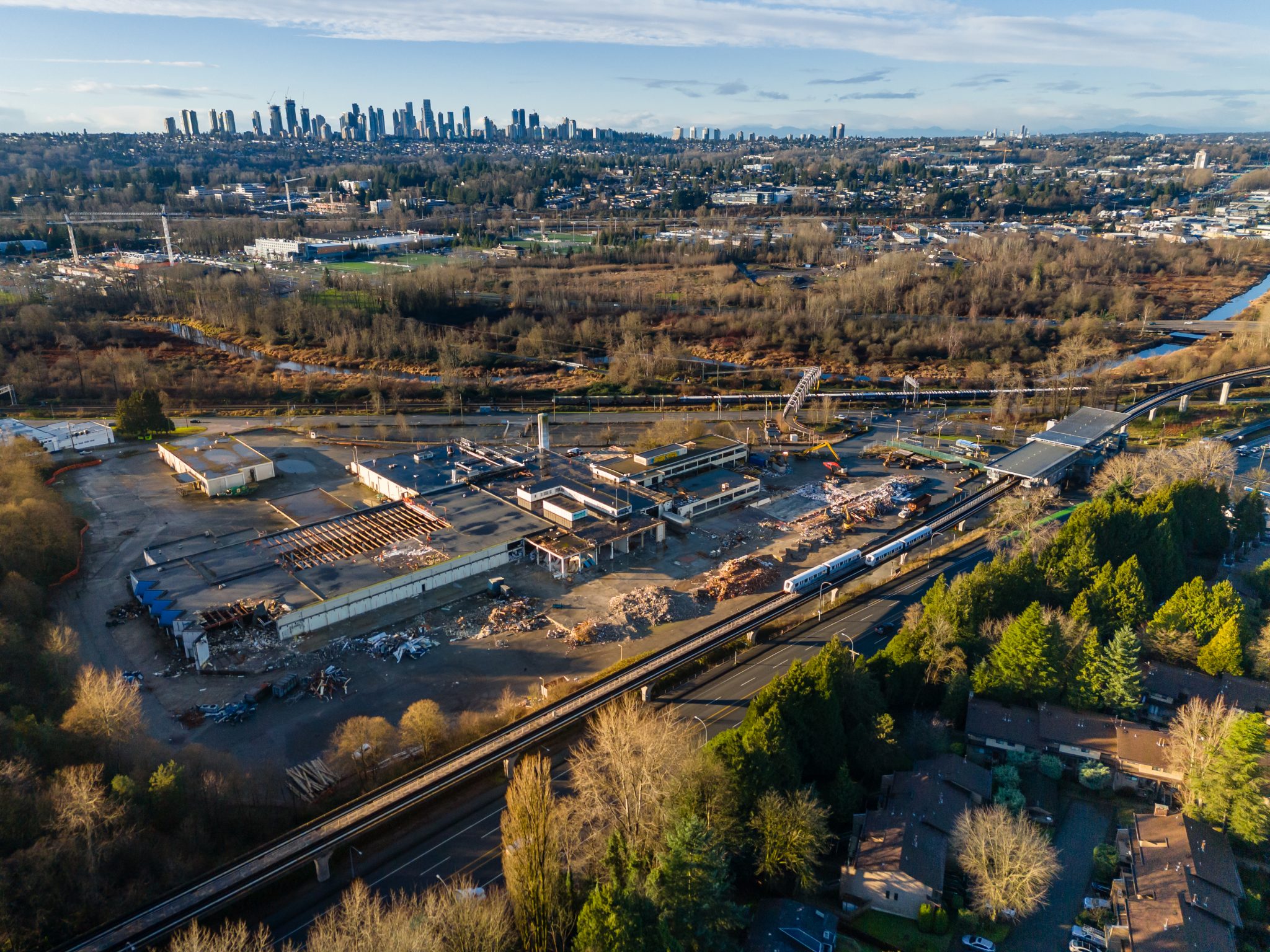
In this exclusive follow-up on B.C.’s largest deconstruction project, Construction Canada spoke with Barrett Sprowson, senior vice-president, residential, at Peterson, for more insights.
How did deconstruction influence the initial design and planning of the Blake Village project compared to a traditional demolition approach?
While the decision to pursue deconstruction rather than demolition didn’t shape the design of Blake Village, it certainly influenced our mindset as we approached the initial phases of this project. Rather than a traditional demolition approach, which is typical when you’re looking to start construction quickly, we wanted to turn over every stone to look for sustainable solutions and explore how we could work with partners to give the existing materials new life. This approach also gave us the opportunity to work with Metro Vancouver, which can use these materials for infrastructure projects that directly support our growing region.
What are the key logistical challenges in deconstructing an industrial building of this scale while salvaging materials for reuse?
Deconstruction, similar to demolition, is more complex than it seems. It requires skilled professionals who can meticulously remove and manage hundreds of thousands of construction materials with care and precision. That is why we brought in project partners like ETRO Construction and VEMA Deconstruction, as well as support from the Zero Emissions Innovation center, who specialize in this kind of work. They know how to carefully plan for the dismantling of each structure, properly store materials, and thoroughly inspect every piece of lumber, timber, and beam to salvage as much as possible. This collaborative approach ensures that valuable materials are salvaged efficiently, minimizing waste and maximizing sustainability throughout the process.
How does this project align with B.C.’s green building codes and sustainability benchmarks, and are there incentives for deconstruction versus demolition?
Our deconstruction approach aligns with the B.C.’s green building codes thanks to its contributions towards lowering embodied carbon and promoting a circular economy. We understand that global business contributes to climate and environmental impacts. That is why we’re committed to reducing emissions at Peterson from our own operations and encouraging others to do the same. Our focus on the circular economy helps reduce the embodied carbon typically associated with our industry. This lowers overall greenhouse gas (GHG) emissions and allows materials to be sustainably reused in future projects. While construction inherently generates significant embodied carbon, deconstruction allows us to meaningfully reduce that impact.
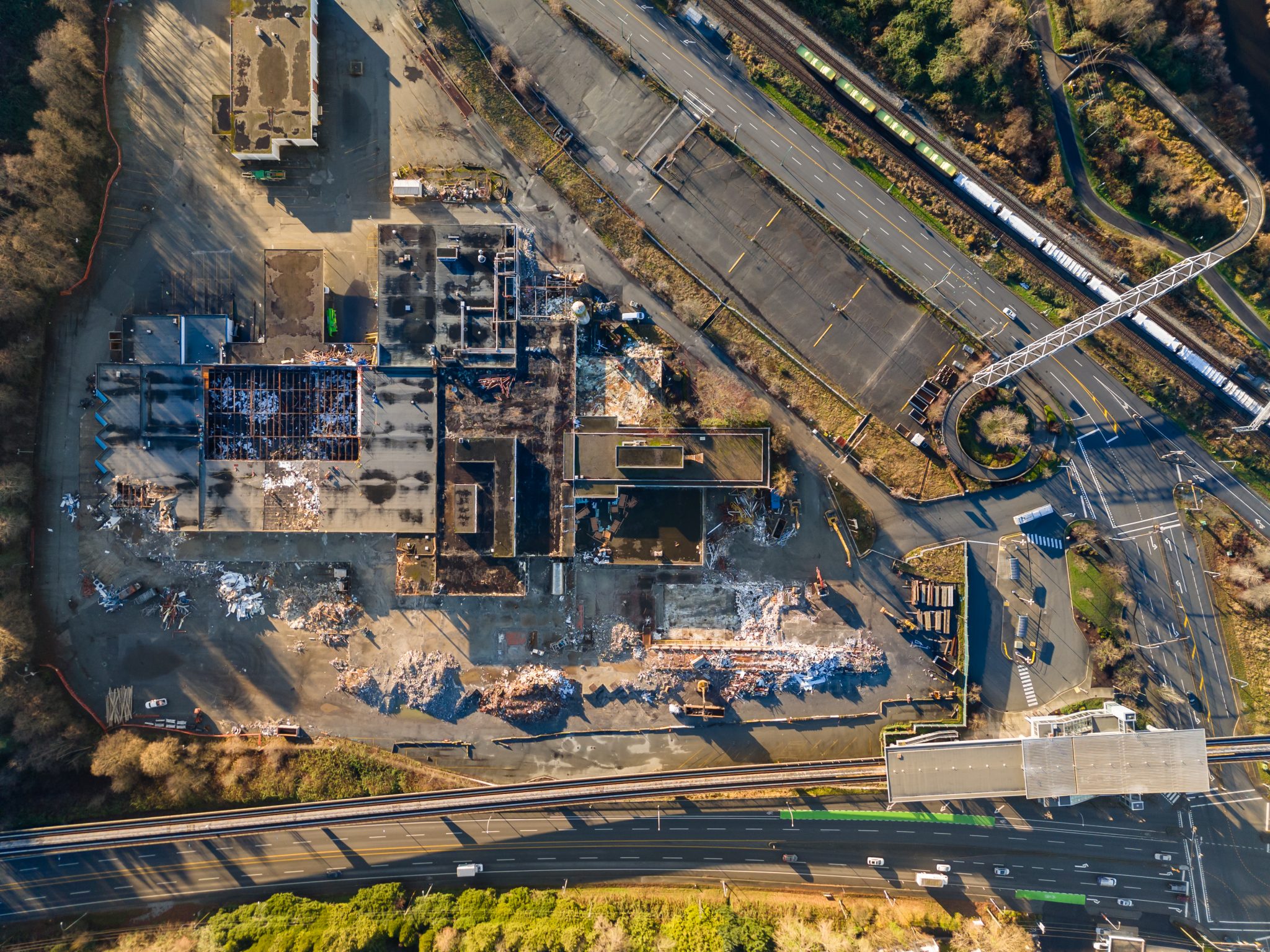
What lessons from this project can other firms in B.C. apply, and do you anticipate deconstruction becoming a more common practice in industrial or urban redevelopment projects?
The biggest takeaway here is that sometimes it’s worth taking a little extra time during the early stages of a project. In Vancouver, we’re used to moving fast when it comes to real estate and construction, but when it benefits both your bottom line and the planet, slowing down can really pay off.
This deconstruction project is a perfect example of how we are evolving alongside the industry, market, and broader sustainability goals, continually learning and innovating with every new development. While I can’t say for certain whether this will become common practice within the industry, we are already seeing developers and construction companies push themselves to take on new challenges and look for new ways to build homes that benefit both people and the environment around us.
Sign up for our weekly newsletter
Construction Canada weekly newsletters give the latest AEC industry news for those who build, design, engineer, specify, renovate or operate in the built environment.
Popular Articles
-
1
-
2
-
3
-
4
-
5
Read the Latest Issue


- Reducing a Billion Dollar Problem in Construction Through Correct Moisture Testing of Concrete
- Reducing a billion dollar problem in construction through correct moisture testing of concrete
- Message from the president | Message de la présidente : The role of product information in specification
- 💻 Author-led sessions on new CCDC documents
- PCD and CCA In-Person Courses