Winter-proofing Canada’s construction fleets
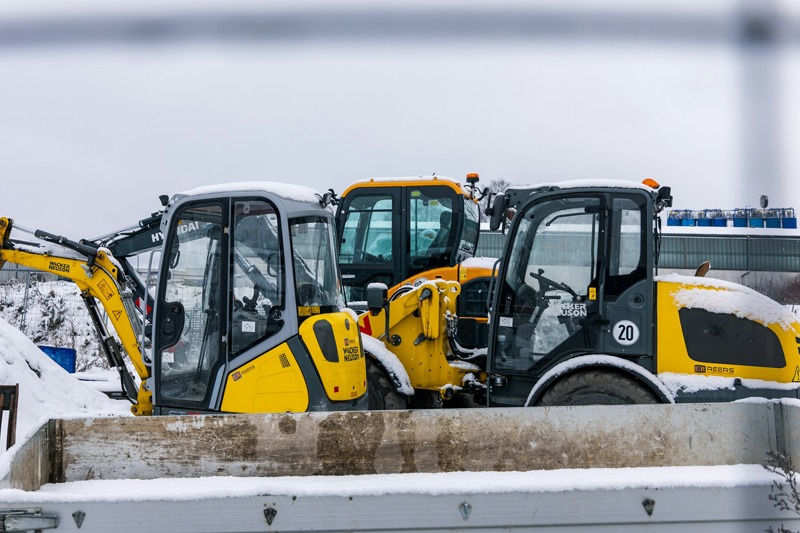
Canada’s winter has not played by the usual rules this year. A volatile jet stream has brought sudden warm spells followed by deep freezes, creating conditions that can change overnight on job sites across the country.
For construction teams running mixed fleets—collections of heavy equipment that can include everything from new excavators to older dozers from various manufacturers—these unpredictable freeze-ups make it harder to keep every asset productive and protected from cold-weather wear. Navigating that reality now depends on making faster, more informed decisions about machinery deployment and maintenance amid constant temperature swings, and it starts with leveraging advanced fleet management technology.
When winter conditions can shift from thaw to deep freeze in a matter of days, maintenance must be a priority. For mixed fleets operating across Canada, proactive maintenance is the first and most effective line of defense against cold-related failures and costly delays.
Shift the maintenance mindset
Many fleets are moving away from the traditional “fix it when it breaks” approach and toward a preventive data-driven maintenance strategy. This transition is due to the growing cost of unplanned repairs and the operational risk they introduce during peak winter conditions. A minor issue in milder weather might be weak batteries or inconsistent fluid performance, while some parts can fail as temperatures swing.
One example is Sterling Crane Canada, which uses equipment data to shift its maintenance mix to 80 per cent planned versus 20 per cent unplanned, and has reported a 14 per cent improvement that reduced its unplanned maintenance from 34 to 20 per cent.1 That kind of swing results in fewer surprise mid-job failures and emergency callouts, and far more control over assets, reducing costs by $1.5 million for roadable fleets and $2.9 million for off-road ones.
Maintenance routines differ in cold weather compared to warmer weather. Winter-ready fleets focus on components vulnerable to low temperatures, including batteries, fuel systems, hydraulic lines, and electrical connections. Monitoring battery voltage trends, confirming proper cold-weather fluids are in use and ensuring block heaters are functioning properly can prevent many of the most common winter failures.
The role of data in predictive maintenance
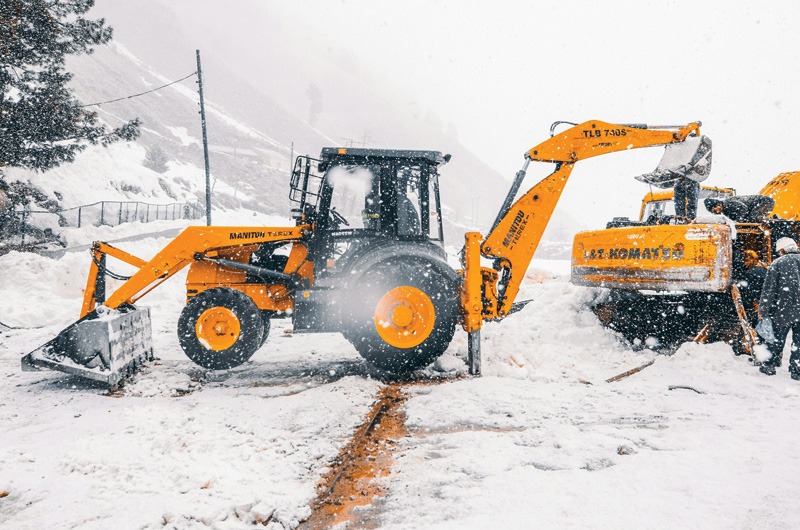
Data and analytics are what turn proactive maintenance into a simple, scalable strategy. Telematics and fleet management platforms provide visibility into engine hours, fault codes, idle time, and environmental conditions, allowing users to predict maintenance needs instead of reacting to failures.
Rather than relying on manual inspections, this approach enables fleets to continuously monitor equipment health by analyzing how machines are used in real-world winter conditions.
In most cases, this data is collected through ruggedized telematics hardware—often called a gateway—that connects to a vehicle’s internal diagnostics network. For heavy equipment, this typically means reading data from the Controller Area Network (CAN) bus using the Society of Automotive Engineers J1939 communication standard.
Through this connection, fleet systems can track engine hours, idle time, fault codes (also known as diagnostic trouble codes), and environmental conditions. These signals surface early warnings, such as low battery voltage or abnormal hydraulic pressure, long before a failure causes downtime on a jobsite.
One of the long-standing challenges has been obtaining consistent data from equipment from different manufacturers. The Association of Equipment Manufacturers developed the AEMP 2.0 telematics standard—International Organization for Standardization 15143–3—to address this issue by creating a common data format across brands.2,3
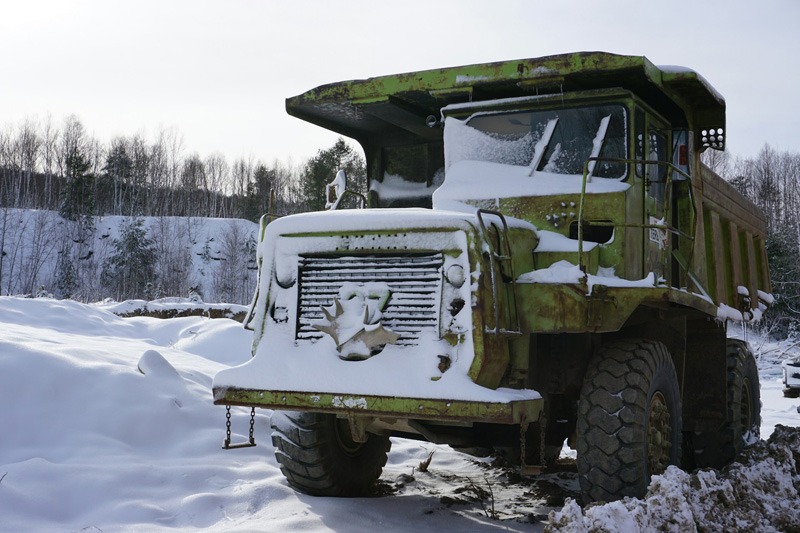
When paired with an integrated fleet maintenance system, this data can also connect directly to parts inventory and work order management. For example, a fault code tied to a failing ignition module can automatically trigger a work order and update parts inventory as the component is replaced. This creates a seamless link between the machine, the maintenance team, and the stockroom.
By using these insights to schedule service proactively, fleets can minimize downtime during critical winter months and extend the lifespan of their equipment.4 In unpredictable conditions, the ability to act on data can be the difference between staying productive and falling behind.
While winter conditions are unpredictable, peak performance depends on visibility. Fleet management technology gives operators the real-time insights needed to keep equipment running efficiently, even as temperatures and workloads fluctuate.
Embrace real-time data with telematics
Modern telematics systems are highly advanced, providing insights beyond location tracking. They provide specifics on engine hours, fuel consumption, idle time, fault codes, and operator behaviour. This information offers a clear picture of how each asset is truly performing in real time.
For mixed fleets that include rentals, telematics built for rental fleet management help unify owned and rented equipment under one view, reducing blind spots that often lead to overuse or underutilization. This visibility is crucial because it offers a chance to fix any inefficiencies before they turn into downtime. According to one survey, approximately 98 per cent of respondents are currently implementing telematics for all or part of their fleet and have seen measurable savings in fuel, administrative time and overall costs as a result.5
Get ahead of breakdowns with remote diagnostics
In a Canadian winter, a surprise breakdown can shut down an entire site and create real safety risks. Remote diagnostics can give fleet managers real-time visibility into fault codes, engine performance, and system alerts, enabling them to address small issues before they turn into cold-weather-related failures.
Using predictive analytics is essential because it allows remote monitoring. As a result, equipment downtime is reduced while overall maintenance costs are lower. Instead of reacting to failures in subzero conditions, one can schedule service on their own terms. By pairing remote diagnostics with predictive analytics, fleets can spot patterns across assets and keep equipment operational even as temperatures swing.
Enhance operator safety with ADAS
Winter driving conditions can level the playing field fast. Ice, snow, and low visibility reduce reaction time, which is where advanced driver-assistance systems (ADAS) add more protection. These systems are increasingly standard in newer commercial vehicles and some modern heavy equipment, particularly for on-road or mixed-use fleets. Features such as collision avoidance and blind-spot monitoring are like an extra set of eyes when conditions are at their worst, helping reduce the risk of incidents in high-risk environments.
Beyond real-time alerts, ADAS also generates insights into driving behaviour. In many vehicles, this information is captured by onboard systems and can be accessed through telematics hardware, allowing safety events to be transmitted to a central fleet management platform. Fleet managers can use these insights to identify recurring risk patterns and turn them into targeted coaching opportunities. That feedback loop may improve safety, but it also builds more confident operators.
Control costs with smart fuel and route management
Winter has a way of driving up fuel costs. Whether it is increased idling, slower travel, or tough road conditions, each chip away at efficiency, especially across large fleets. Fuel management tools help bring those expenses back under control by tracking consumption at the unit level, making it easier to spot waste or inefficient driving patterns. These systems are often integrated with fuel cards, allowing fleets to link gas purchases directly to specific vehicles and compare consumption data against actual usage.
Route management plays just as important a role. By integrating real-time weather and traffic data into route planning, fleets can adjust schedules on the fly to avoid storm-related delays and road closures. Many fleet management platforms also pull in localized weather data, giving operators and dispatchers better visibility into changing conditions that may affect fuel use or travel time. That flexibility also reduces equipment wear, cuts idle time, and helps crews stay productive when conditions are working against them.
Together, fuel and route optimization turn winter from a budget wildcard into something far more predictable. Some fleet systems can also surface manufacturer service bulletins alongside vehicle data, helping teams factor in recommended maintenance actions into routing and fueling decisions. When every litre counts, visibility and adaptability make a measurable difference.
Using technology as a tool
Even the most advanced fleet technology cannot replace experience—it supports it. Operators are still the ones navigating icy access roads, low visibility, and unpredictable site conditions. When technology is positioned as a tool, not a replacement, it empowers operators to make better choices.
Winter training remains a critical piece of that equation. Specialized driving and equipment-handling skills help operators understand how machines behave in subzero temperatures, from braking distances to hydraulic response times. When paired with insights, ADAS and remote diagnostics, that training becomes even more effective. Operators understand why the system is flagging an issue and how to adjust their driving or operating behaviour accordingly.
This human-first approach is especially important as the construction industry continues to face a labour shortage. As of October 2024, the sector was dealing with approximately 249,000 unfilled positions, putting added pressure on existing crews to do more with less.6
Technology cannot fill that gap on its own, but it can help the industry work more efficiently and safely through winter conditions, reducing burnout while keeping productivity steady.
Canada’s winter may be unpredictable, but fleet performance does not have to be. Pairing experienced operators with the right fleet management technology allows construction teams to stay ahead of freeze-ups and keep equipment running.
For teams beginning to manage mixed fleets, the first step is often establishing visibility. This includes working with internal operations, equipment providers, or fleet technology partners to centralize data and understand how assets are being used across winter conditions. In an increasingly unpredictable winter environment, clarity and co-ordination across mixed fleets are what turn uncertainty into manageable, day-to-day decisions.
Notes
1 See Why Canadian fleets are rethinking maintenance in 2025.
2 Learn more.
3 Visit.
4 Refer.
5 Learn more.
6 Refer to Top 16 Trends in the Construction Industry for 2025.
Author

Emily Newton has more than 10 years of experience creating compelling content for the construction, manufacturing, and supply chain industries. Her work has been published in a range of industry magazines and online platforms. As the editor-in-chief at Revolutionized, she enjoys researching
the latest scientific breakthroughs.
Sign up for our weekly newsletter
Construction Canada weekly newsletters give the latest AEC industry news for those who build, design, engineer, specify, renovate or operate in the built environment.
Products & Services

Read the Latest Issue

Demo-Casts