Shaping light and form: The architecture of daylight
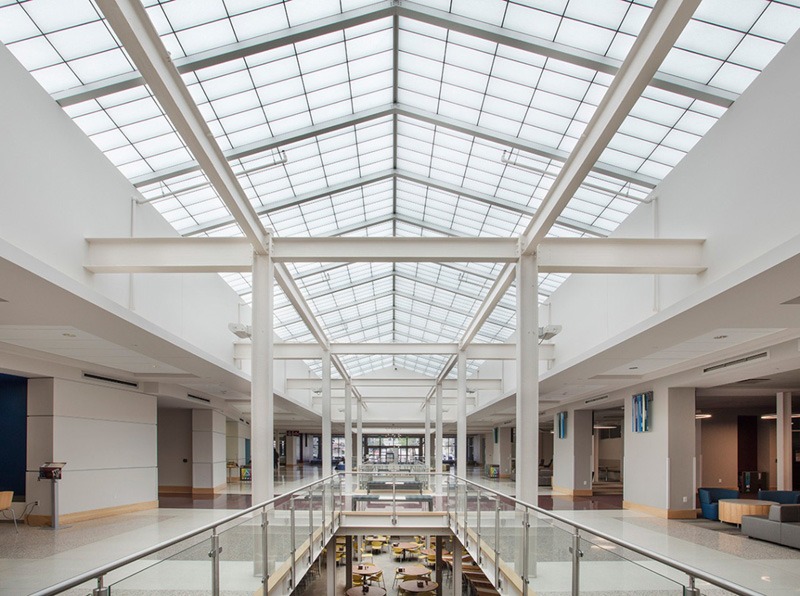
Throughout the construction industry, architects are increasingly prioritizing daylighting as a critical design factor for delivering high-performance buildings. Distributing natural daylight indoors has become a cornerstone of energy-efficient, health-centric design, as evidence-driven research proves how daylight quantifiably augments occupants’ wellbeing and reduces energy consumption.
With this growing momentum for daylighting strategies, many architects and specifiers benefit from exploring a versatile daylighting solution: light-transmitting wall systems. Budget-friendly and durable, these assemblies can be applied to a broad range of structures, spanning health care, education, retail, recreation, athletics, and more.
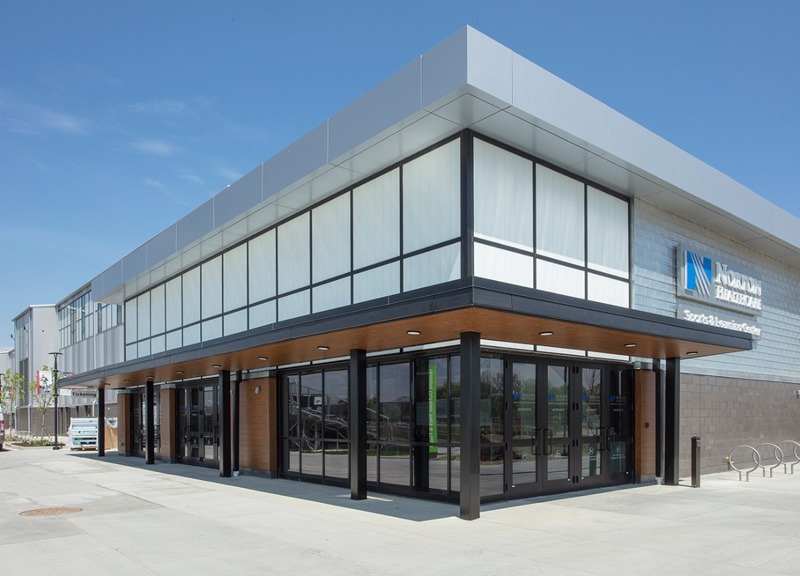
Beyond infusing daylight indoors, these assemblies can also dramatically transform a structure’s esthetic by using both translucent and transparent glazing—a mixed glazed system. With many options available, specifiers can enhance a standard curtainwall system into a sleek and even colourful visual element, without adding significant expense.
Benefits of mixed glazed wall systems
Choosing the most optimal daylighting solution for a building entails a host of considerations.
- How much time will occupants be spending in the space?
- Will the structure’s orientation receive too much sun penetration that could result in excess solar heat gain?
- Will the daylight distribution cause glare issues that impact computer screens and visual comfort?
- If involving transparent, image-preserving material, will a daylighting solution raise privacy concerns?
Each individual space involves specific design limitations and challenges, translating to different answers to all of these questions.
For any combination of answers, mixed-glazed wall systems can offer seamless solutions and significant benefits that support occupants and their indoor activities. These include:
- Providing natural daylight that promotes a comfortable, relaxing environment
- Diffusing daylight in a manner that reduces infrared heat and visual glare
- Altering the level of transparency to block a direct line-of-sight indoors
- Reducing reliance on electric lighting during daytime hours, with consistent delivery of daylight indoors
- Available unitized designs offer simplified installation
These advantages help create a system that offers unique flexibility compared to other daylighting solutions. Using only transparent, image-preserving vision windows or curtainwall allows an influx of uncontrolled, transient natural light indoors, for example. This flood of daylight can cause eye fatigue, glare on screens, and can result in significant solar heat gain that strains HVAC systems to combat. This necessitates the use of blinds and curtains to mitigate these impacts, as well as to conceal private interior areas from public view.
Beyond the light control considerations, large glass wall systems can also prove more challenging to install due to their weight and handling restrictions. Integrating glass with translucent polycarbonate or fibreglass reinforced plastic (FRP) glazing can reduce these issues while also allowing architects to create fully illuminated, comfortable spaces with controlled solar heat gain and reduced glare.
Creating a balance
A specific combination of glazing materials can optimize a wall system’s usability and versatility.
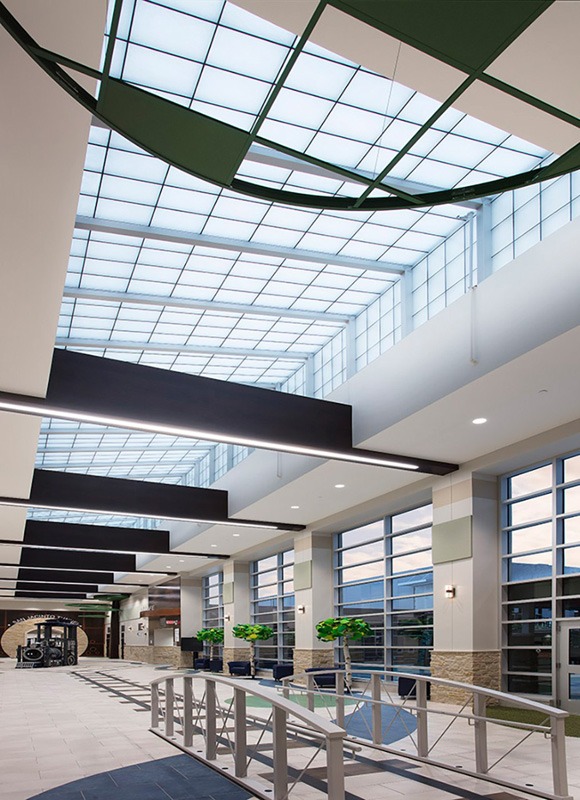
Popular translucent glazing materials include a translucent FRP panel (made with fibreglass reinforced face sheets and an aluminum grid core) and a polycarbonate multiwall. Both materials distribute diffuse natural daylight into interior spaces and offer flexibility with a variety of configurations and colours to support a structure’s architectural character.
These materials’ translucency can raise potential challenges. Some structures and their functions may necessitate that lines of sight remain open between indoor and outdoor spaces, such as entryways to public buildings, retail stores, and athletic facilities.
A combination of glazing materials can address these needs by providing just the right mix of light control and careful curation of views.
Versatile options and configurations
Many options and configurations are available with glazing materials that offer targeted functional and esthetic benefits.
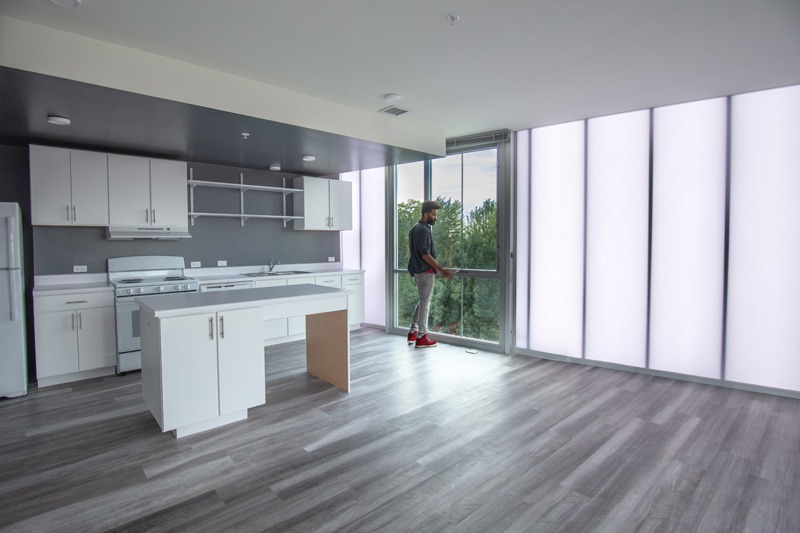
The most commonly applied mixed-glazed configuration features translucent glazing above and glass below. This strategic assembly offers notable advantages. The top section of translucent glazing acts to diffuse the sun’s rays, controlling direct daylight during peak sunny hours of the day. Meanwhile, the transparent area at the bottom of the system allows for a view of the outdoors. If operable windows are incorporated, it also delivers ventilation control opportunities.
This combination of translucent and transparent materials effectively minimizes the need for exterior shading devices. It provides an ideal daylighting solution for many types of buildings, including schools, residential units, retail stores, recreation facilities, art studios, and more.
The reverse of this configuration—translucent glazing below and glass above—can also be effective if direct sunlight is not an issue (such as on a north-facing wall). In this assembly, the transparent vision glazing allows for views of exterior features and the sky, while the lower translucent section distributes diffuse natural daylight throughout the space. This configuration can be effective for interiors where privacy is key, such as bedrooms, washrooms, and locker rooms.
Thermal resistance often represents a critical design priority, especially in Canada’s cold climates. Translucent polycarbonate panels, designed for high-performance daylighting, can deliver ample daylight indoors while maintaining high R-values to reduce heat loss. Some manufacturers further apply translucent insulation infill to configurations for superior insulation, while still allowing effective daylight transmission and maintaining a powerful thermal barrier to prevent heat loss.
These popular configurations offer distinct advantages that support occupant comfort and wellness by diffusing high-quality daylight, while still allowing for optimal privacy and views of the outdoors.
Get creative with customizing
Architects can also explore more inventive options for mixed glazed configurations.
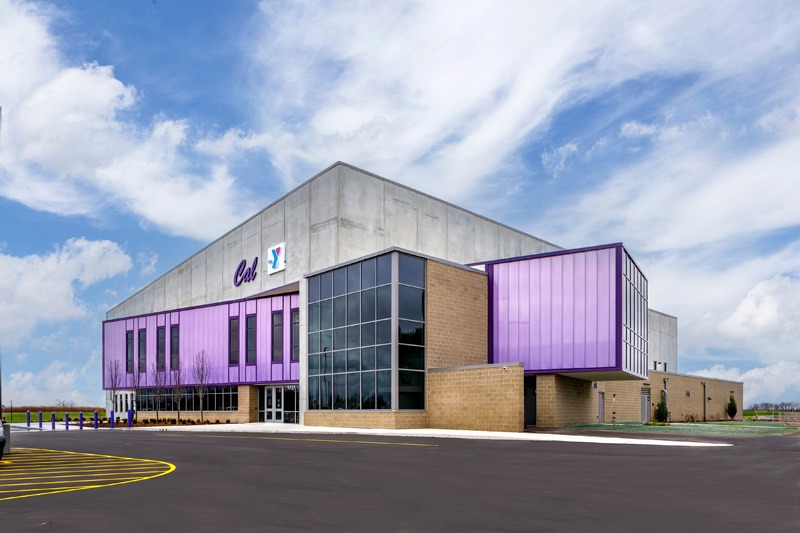
Translucent and transparent glazing can be mixed in multiple ways. Creating a patchwork of vision glass in a wall of translucent panels, for example, delivers a distinctive design element while still capitalizing on the benefits of exterior views.
This configuration serves as an optimal solution for illuminating hallways, transitional spaces, lobbies, and entryways.
A more deliberate placement of fixed or operable glass in a wall of translucent glazing also serves as an effective approach to frame a striking landscape feature, such as a pond, a stand of trees, or a monument. This positioning could also frame interior design elements, such as a sculpture, for viewing from exterior walkways or roads.
Unique mixes of translucent and transparent materials additionally allow for creative lighting applications, especially during evening hours. Mixed glazed configurations present a wide range of possibilities, such as back-lighting behind company signage, coloured lighting to provide an eye-catching architectural focal point, or a column of illuminated glazing to emphasize a building’s entrance.
Custom daylighting products can be highly engineered for a building’s specific geographical location and physical characteristics. Daylighting manufacturers can offer expert insight into how their products can benefit a singular space, often providing ideal solutions to match a project’s requirements and budget.
Integrating mixed glazed configurations effectively delivers rich daylight to interior areas while elevating a structure’s design with a distinctive, customized esthetic.
Cost considerations
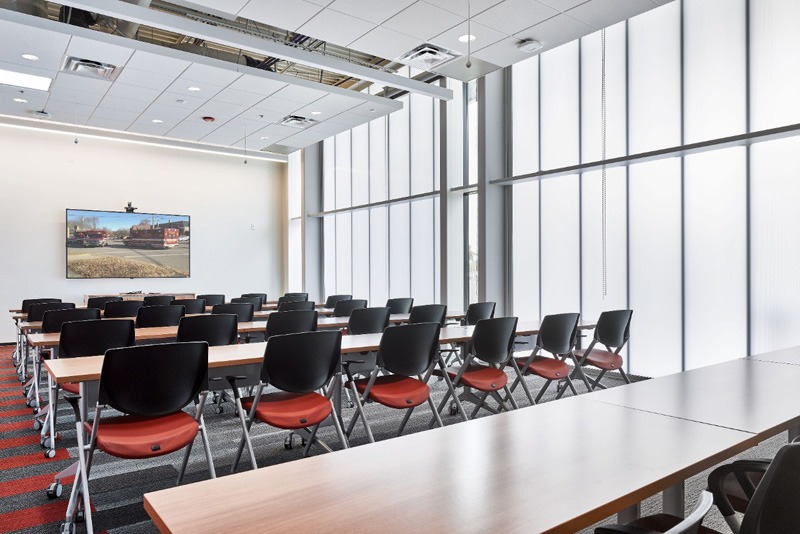
Architects can explore a wide range of cost options with mixed-glazed systems. Assessing these involves balancing material costs against life-cycle savings and structural offsets. Lightweight wall systems can reduce the overall cost of a building’s structural framing, for example, and diffusing daylight into interior spaces reduces costly energy consumption.
When combining traditional vision glass with high-performance translucent walls, take these considerations into account:
- Standard, premium, or customized materials—Does a standard system best fit the project’s budget, or is there room for a highly engineered system or custom configuration?
- Net cost calculation—Will the wall material cost reduce the total building cost?
- Initial cost versus life cycle—Will the initial material premium drive down long-term operational costs?
Speaking directly with manufacturers can also help to pinpoint the best option for a project’s budget and design focus.
Health benefits of daylighting
Whichever mixed-glazed configuration architects use, diffusing vibrant daylight indoors plays
an instrumental role in creating healthy, productive environments.
A bevy of research shows that daylight directly improves humans’ mood and wellbeing. Daylight exposure heightens the body’s cortisol level,1 a powerful steroid hormone that maintains blood pressure and alleviates stress and anxiety. Daylight additionally triggers the body’s release of serotonin,2 a neurotransmitter responsible for elevating happiness and sharpening cognitive function.
Reflecting these biological effects, a 2022 study discovered that daylighting design in homes bears a significant impact on emotional wellbeing, with the most positive results produced by maximizing the amount of daylight entering the home.3
Natural daylight also regulates and maintains consistent circadian rhythms,4 the body’s internal mechanism for crucial sleep-wake patterns throughout a 24-hour cycle. This promotes higher quality of natural sleep, strengthening the body’s immune system while also bolstering focus and productivity when awake.
These studies underscore that strategically distributing bright, abundant daylight where people live and play can effectively support their mood, comfort, and overall wellbeing.
Enhancing occupants’ success
Daylight can also help occupants thrive at work and school—and it can even enhance their shopping experiences.
Exposure to natural daylight activates regions of the brain5 that increase alertness and memory, promoting superior job performance. In addition, a study published in the Journal of Clinical Sleep Medicine found that workers with greater exposure to daylight reported heightened vitality and better sleep quality than those in windowless spaces.6
Consistent access to daylight also improves academic success. In a study of 21,000 elementary school students, those exposed
to more sunlight daily demonstrated 26 per cent higher reading results and 20 per cent higher math results than students exposed to less sunlight.7
Even retailers report a measurable gain from daylight. Scientific evidence shows that a 40 per cent increase in retail sales can be achieved with precisely positioned daylighting solutions.8
This stems from natural light accurately rendering all wavelengths of light within the visible colour spectrum. When merchandise is illuminated with the broad spectrum of sunlight, true colours are reflected with increased intensity, making it more appealing to the human eye. Bright retail environments also cultivate a welcoming and relaxing environment, improving customers’ overall experience.
This evidence reveals that for almost any indoors task, daylighting directly impacts occupants’ comfort, focus, and performance.
Helping meet sustainability goals
Daylighting designs also dramatically reduce energy consumption and help architects meet sustainability goals.
Electric lighting can represent 35 to 50 per cent of a commercial building’s annual energy use, according to a study by Bialystok University of Technology.9 Delivering daylight to interior spaces reduces this reliance on electric lighting, translating to lower carbon emissions and long-term operational savings. Using less electric lighting use also decreases cooling demand by roughly 15 per cent, the study reports, further boosting energy efficiency.
Some members of Canada’s building industry voice concerns that glazed assemblies offer reduced R value compared to solid walls. This serves as an important consideration, as Canada’s National Energy Code for Buildings (NECB) and the BC Step Code increasingly focus on effective R-values.10 Glazed assemblies can still achieve exceptional insulation, however. High-performance systems allow glazing to approach wall-like performance, such as translucent insulation-infilled polycarbonate that achieves a thermal break so powerful it maintains interior surface temperatures even in Canadian winters.
Leading construction authorities embrace these benefits. The International Code Council (ICC) officially approved new daylighting requirements for schools and residential buildings in 2025 to infuse these structures with more natural daylight to deliver healthier, more energy-efficient environments.
Across the construction field, industry leaders are increasingly advocating the importance of daylighting for creating more energy-efficient structures and occupant wellbeing.
Endless versatility for modern buildings
With daylighting serving as a driving factor in human-centric design, mixed glazed systems offer versatility and flexibility that modern, high-performance structures require, helping deliver robust natural daylight indoors while also providing an eye-catching design element. This directly addresses today’s demand for energy-efficient, high-performance construction materials, without compromising design intent or incurring steep costs.
Notes
1 Refer to Using Light for Health.
2 Read “Sunshine, Serotonin, and Skin: A Partial Explanation for Seasonal Patterns in Psychopathology?”.
4 Refer to the Effects of light on human circadian rhythms, sleep and mood.
5 Learn more. Daytime light exposure dynamically enhances brain responses.
6 See.
7 Refer.
8 Read.
9 Visit.
10 Refer.
Author

Neall Digert, Ph.D., MIES, vice-president, innovation and market development for Kingspan Light + Air North America, has more than 30 years of consulting and education experience working in the energy/lighting/daylighting design and research fields, specializing in the design and application of advanced lighting and daylighting systems for commercial building applications.
Sign up for our weekly newsletter
Construction Canada weekly newsletters give the latest AEC industry news for those who build, design, engineer, specify, renovate or operate in the built environment.
Related Products & Services

Read the Latest Issue
Demo-Casts