
How much plastic construction really diverts, by the numbers
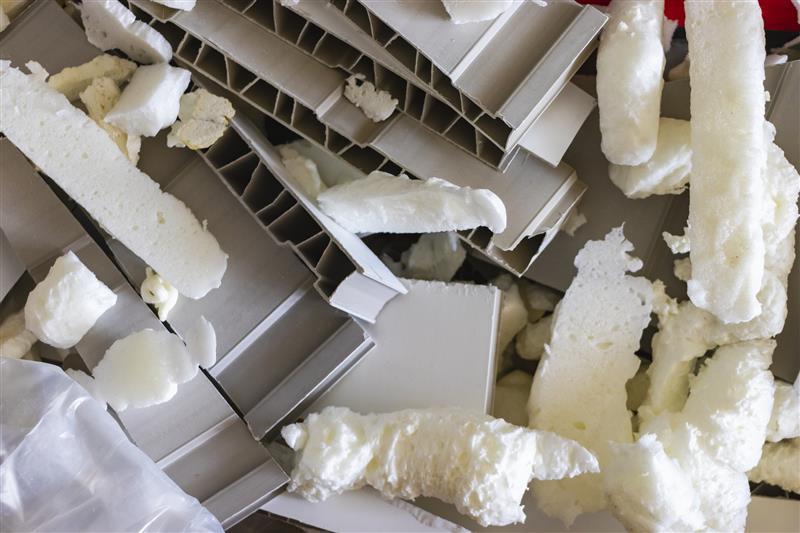
A benchmarking study was conducted by Light House as a foundational step of the Construction Plastics Initiative (CPI), which analyzes plastic waste diversion across 253 LEED-certified construction projects in Canada completed between 2009 and 2019.
Using a standard intensity metric of kilograms per square metre (kg/m²), researchers found typical plastic waste diversion levels ranging from 1.1 to 2.7 kg/m² (2.43 to 5.95 lb), with institutional and residential projects producing the highest volumes per unit of floor area.
The study notes that building type appears to influence outcomes, with complex interior fit-outs, higher volumes of protective packaging, and layered subcontractor activity likely contributing to higher plastic generation and diversion potential on institutional and residential sites.
Researchers also observed a wide variation within each building category, suggesting that project-specific practices and reporting methods can significantly impact the results.
Sign up for our weekly newsletter
Construction Canada weekly newsletters give the latest AEC industry news for those who build, design, engineer, specify, renovate or operate in the built environment.
Read the Latest Issue


- Reducing a Billion Dollar Problem in Construction Through Correct Moisture Testing of Concrete
- Reducing a billion dollar problem in construction through correct moisture testing of concrete
- Message from the president | Message de la présidente : The role of product information in specification
- 💻 Author-led sessions on new CCDC documents
- PCD and CCA In-Person Courses