Durability meets design: The rise of modular textile construction
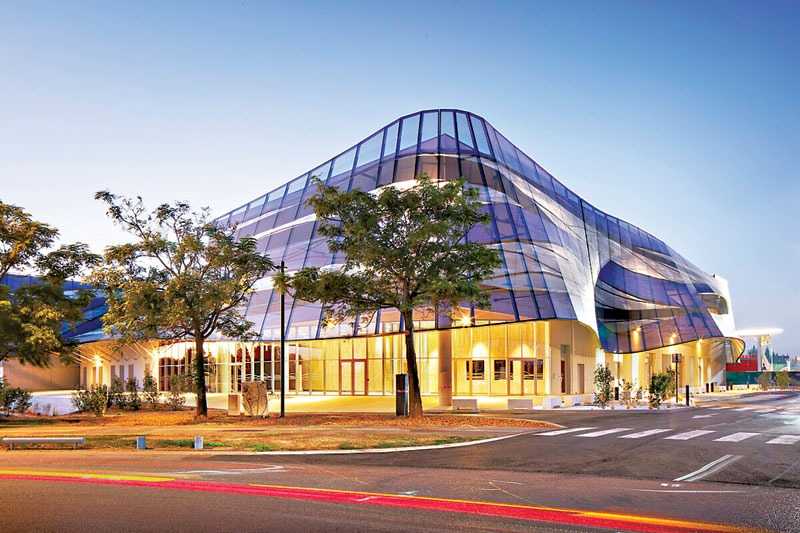
As the world grapples with the increasingly extreme impacts of climate change, architects and builders continue to prioritize materials and building techniques that help manage the effects of wind, rain, flooding, and fires. This is especially true for athletic stadiums and sporting venues, which require extensive funding and labour to design and construct; thus, they must last and serve the needs of owners and visitors. As stadiums evolve into multipurpose, fan-centric destinations, the demand for innovative materials that enhance durability, weather resistance, and energy efficiency has never been greater. These cultural hubs for regional teams and community use must be built to resist harmful weather conditions, which will last for years to come.
Due to their magnitude and capability to host thousands of guests, today’s stadiums in North America have become more than just destinations for sports fans. Considering the changing landscape of the entertainment industry, with technologies such as virtual reality and new venues such as the Sphere in Las Vegas, Nev., venue owners and managers have looked to repurpose their properties whenever possible. Hosting top-selling bands and artists and expanding the stadium’s use for more than one team has increased their overall revenue and helped keep visitors in seats year-round with four-season sports programming and various entertainment.
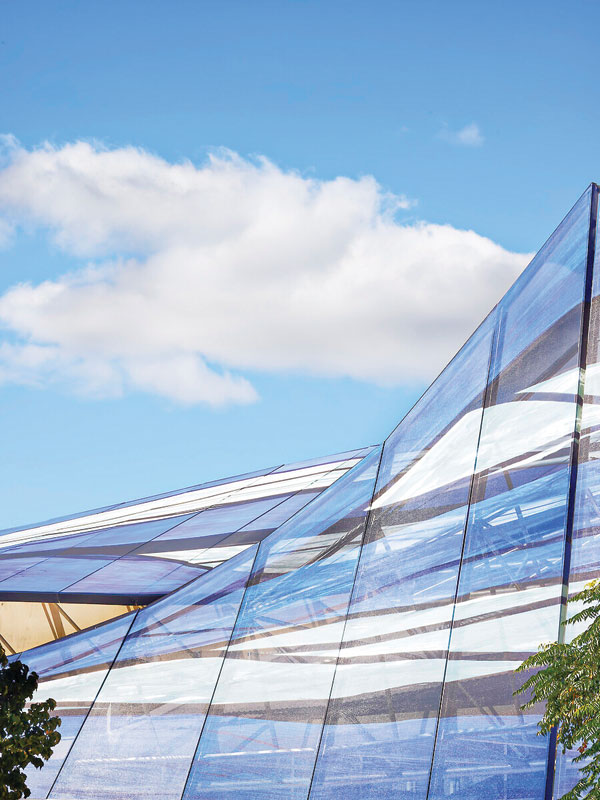
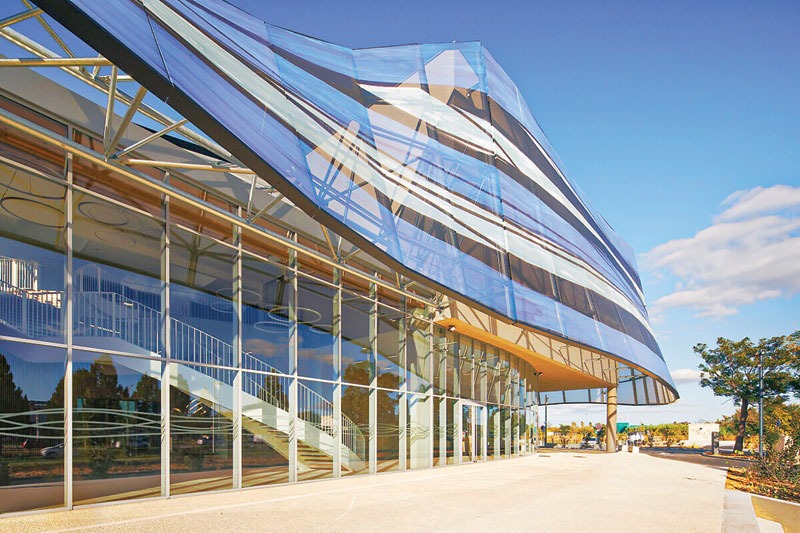
One solution that experts in this industry have explored as a new option to address these concerns is the use of modular textile construction materials, a lightweight but durable alternative to traditional architectural frameworks. This lightweight solution is typically installed over a metal or aluminum frame, where the mesh is tensioned and securely fixed to the profiles, ensuring long-term stability without the need for re-tensioning. This type of composite membrane delivers high mechanical resistance to sustain even the most extreme weather conditions. Modular construction solutions help ensure that venues remain visually striking and structurally resilient for years to come, while also prioritizing an improved spectator experience and enhanced environmental performance. This material is expertly engineered to withstand extreme weather conditions, from the intense UV exposure and high temperatures of the Southern U.S. to the heavy snow loads and harsh winters of the Northern U.S. and Canada. Its exceptional durability and resilience make it a reliable choice for even the most demanding climates.
Engineering durability for harsh climates
High-performance modular textile construction materials are developed with technology that ensures long-term durability against wind, rain, sand, and sun, resulting in a facade that can be installed anywhere from the desert to the rainforest.
High-performance textile membranes used in modular construction often consist of a polyester base fabric coated with polyvinyl chloride (PVC) or glass fibre fabrics coated with polytetrafluoroethylene (PTFE). These materials offer an ideal balance of strength, flexibility, and resistance to UV degradation. PTFE-coated fibreglass, in particular, is prized for its exceptional fire resistance, durability, and long service life. Meanwhile, advancements in PVC formulations now include phthalate-free plasticizers and fluorine-free coatings, reducing environmental impact. These chemical innovations not only support compliance with stringent fire safety codes but also enhance thermal comfort and contribute to lower lifecycle emissions.
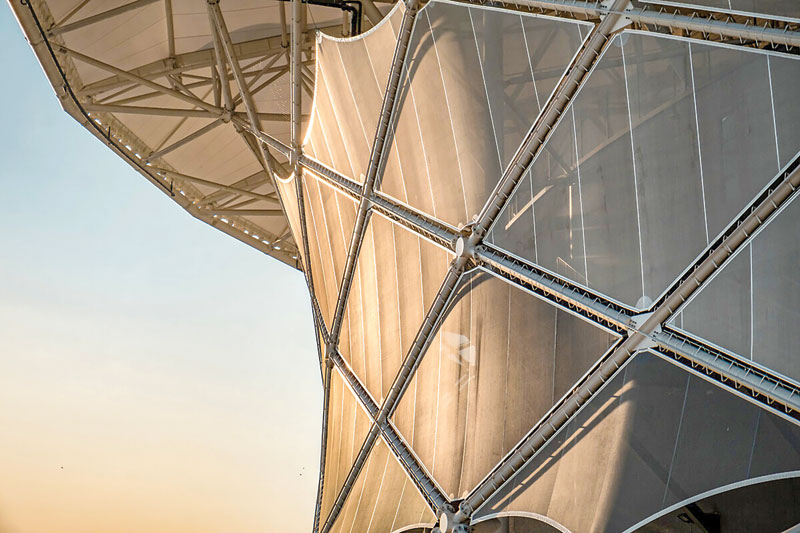
High-performance modular textile construction materials are frequently specified for cultural and historical landmarks, where they help preserve building exteriors against unpredictable and often harsh regional weather conditions. Over time, a structure’s colour will remain intact and will show minimal wear and tear from seasonal weather events, resulting in less overall maintenance and even fewer situations where replacement is required. This is especially important for stadiums where constant programming is scheduled, and shutting down the venue for repairs is often inconvenient. If repairs or replacements are needed, the structure remains intact while only the fabric is replaced. This enables a swift resolution for maintenance, colour updates, or design changes. By preserving the main structure and allowing for seamless fabric replacement, these solutions offer significant cost savings for future modifications.
Modular textile construction materials have become crucial for safeguarding stadiums against extreme weather, which is becoming increasingly frequent and intense throughout the U.S. During the Los Angeles wildfires, National Football League (NFL) games had to be relocated or rescheduled to protect players and fans from exposure to smoke and ash. Implementing modular textile construction materials that meet national and international fire standards is more important than ever. Ensuring these stadiums, if damaged, can be easily and quickly repaired will save millions of dollars in repair costs and prevent additional losses in revenue during maintenance.
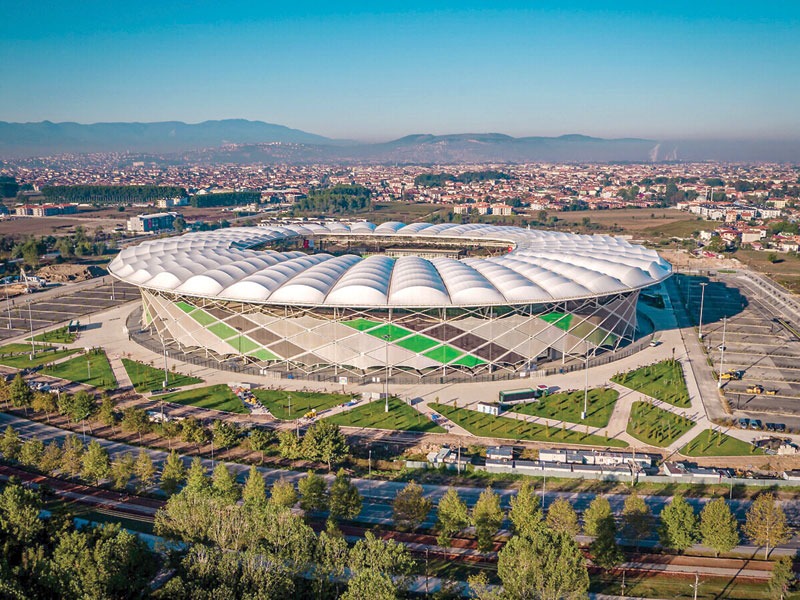
One of the key benefits of modular textile construction systems is their ability to integrate form and function. While it is essential to balance esthetics and functional requirements, a visually striking stadium should also meet the practical needs of the space it covers. Thoughtfully designed modular textile construction will complement the architectural context of their surroundings, considering how end-users will interact with the structure. Due to the flexibility of these high-performance textiles, they are an ideal solution for a variety of venues as they can be designed, installed, and customized to reflect the home team’s branding and include design elements that tie into the local culture.
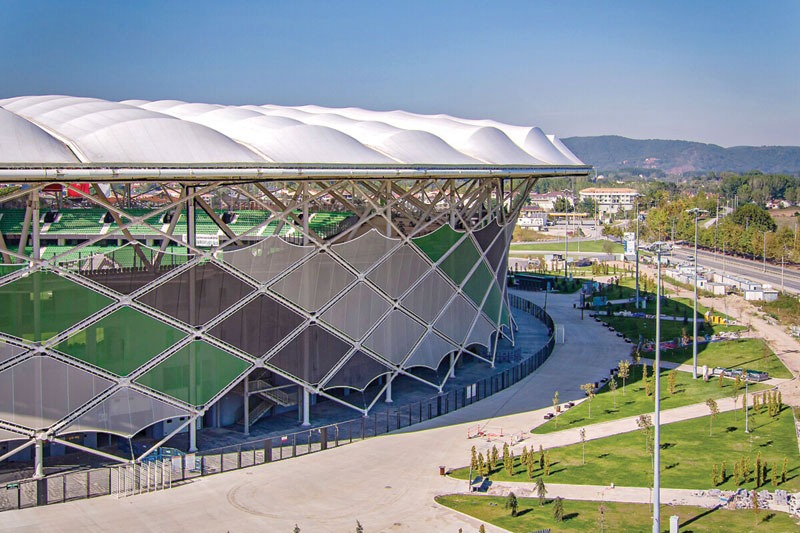
Why modular textile construction?
In comparison to traditional building materials such as steel and concrete, modular textile construction offers a more sustainable and reliable option that is overall less expensive to manufacture and install. When partnering with the right builder and installer, working with modular textile construction materials can significantly reduce timelines and, therefore, cut back on costs. These architectural textile solutions often provide a more cost-effective alternative to traditional materials such as steel and concrete, both of which are unreliable in the long term and have a higher carbon footprint. Concrete, metal, and aluminum are particularly detrimental to the environment due to the amount of CO2 released during their creation. Modular textile construction materials can be sourced and produced using less overall energy and are lighter to transport and install, making them safer and easier to work with.
One of the most significant benefits of modular textile construction materials is that, once delivered, they are easy to maneuver and can be adjusted, offering more flexibility in design, future alterations, or dismantling for reuse or recycling. Working with the right partners, stadium architects, and builders can be sure that their modular textile construction system will fit their needs and can be reworked as those needs change over time.
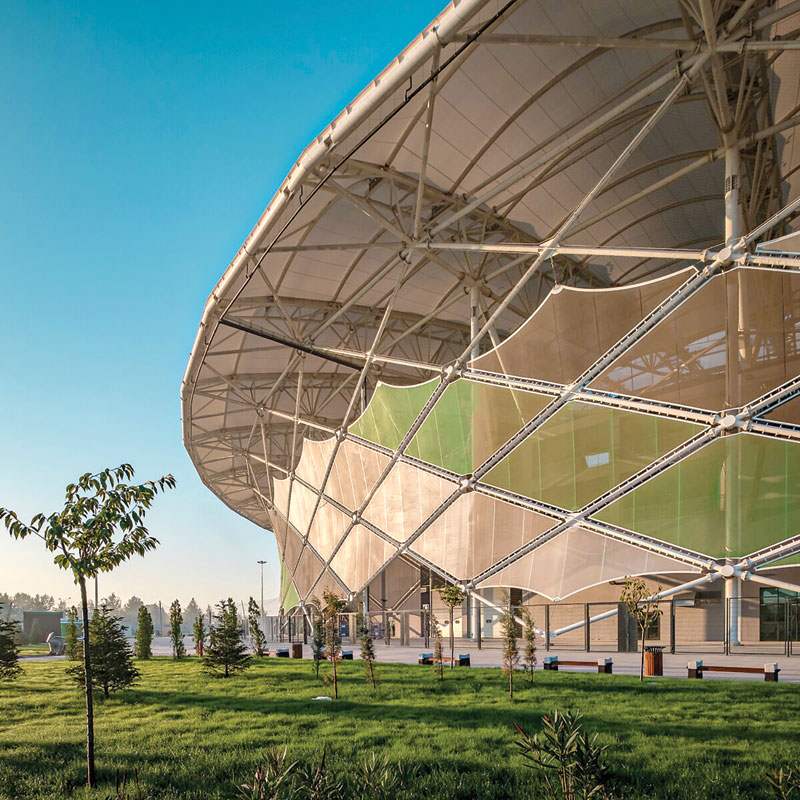
Energy performance in stadiums
As a result of exceptional heat and light regulation, stadiums that implement these high-performance architectural membranes experience higher energy savings than those built with traditional construction materials.
A 2018 study concluded that compared to only one glass facade and an opaque roof, an additional translucent and thermally insulated membrane roof increased the continuous daylight autonomy from 15 to 38 per cent.1 This resulted in a 30 per cent reduction in the electricity needed for artificial lighting in the roof-covered area of the sports field used in this study. These results created a benchmark for planners, investors, and future buildings of this type as they showed the direct impact these materials have on the energy usage of these textile structures.
Temperature control in outdoor arenas
Thermal and light regulation is also a priority for outdoor arenas, especially in warmer climates where events occur through the heat, humidity, and sun. To protect players and spectators, modular textile construction materials can take shape as a textile roof that is durable, structural, and lightweight. With the correct balance of the light needed to illuminate sporting events and concerts that will protect players or attendees, these structures offer the best possible protection from the sun, wind, and cold during the winter season. The breathability of the membranes also offers optimal ventilation, with air being able to pass through to regulate the temperature of outdoor arenas in an energy-efficient manner.
Traditional building materials, such as steel, conduct heat and can raise the overall temperature within the structure, resulting in more energy use and an unpleasant experience for visitors. Tensile architecture promotes better airflow, keeping temperatures within the stadium lower and more comfortable, especially in hot climates. These passive cooling systems reduce the need for mechanical ventilation or air conditioning, creating a more pleasant environment for fans without overwhelming energy use.
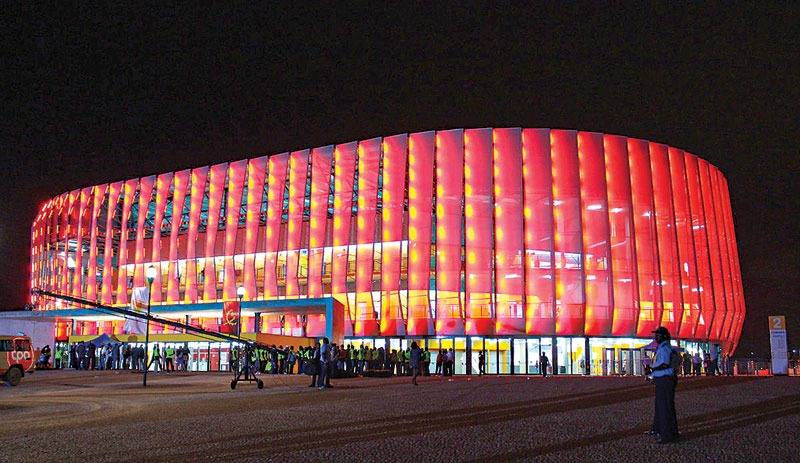
Tool for identity and branding
Modular textile construction solutions help ensure venues remain visually striking and structurally resilient while prioritizing an improved spectator experience and enhanced environmental performance.
Stadiums are also viewed as landmarks that reflect the history and people of the region. The range of design capabilities that modular textile construction provides allows operators and owners to dress these venues in colours, patterns, and shapes that evoke and tie into local themes. These customized and unique options offer more ways to adhere to brand standards and be creative than a traditional roof or awning.
Enhancing visuals with less structure
In addition to modular, tensile architecture—a form of construction that uses tensioned membranes, cables, and lightweight structures to create large-span, flexible, and often visually striking architectural designs—also offers protection at stadiums. When used in tandem, these innovative solutions help enhance the spectator experience by providing ample shade and UV protection, while also improving the acoustics and sightlines throughout the venue.
They also use fewer supports and allow for larger spans of roof coverage without columns or beams, which provides spectators with unobstructed views of the field or stage, ensuring that more seats in the stadium offer premium visibility. With fewer visual barriers, spectators have a clearer line of sight to the action, improving the overall experience.
Conclusion
High-performance modular textile construction materials are developed with technology that ensures long-term durability against wind, rain, sand, and sun, and can be installed anywhere, regardless of weather conditions. These textiles are increasingly sought after for today’s stadiums as they are an innovative and sustainable alternative to traditional building materials with their flexible, durable, and sustainable characteristics. They can be used for a variety of applications and provide significant benefits in terms of energy efficiency, providing exceptional thermal regulation and light control that contribute to reducing energy consumption and lowering operational costs. These materials’ long-term durability ensure that venues can withstand extreme weather conditions, offering protection and longevity for iconic structures worldwide. As demand for energy-efficient and sustainable solutions continues to grow, modular textile construction will play an increasingly important role in shaping the future of modern stadium design.
Notes
1 Refer.
Author

Throughout his professional career, David Peragallo, assoc. AIA, senior specification manager North America, Serge Ferrari Group, has created, organized, and led the implementation of projects for high-performance architectural textiles. Before joining Serge Ferrari Group in 2021, he served as specification and regional sales manager for Verseidag-Indutex GmbH, a German-based supplier of architectural textiles.
Sign up for our weekly newsletter
Construction Canada weekly newsletters give the latest AEC industry news for those who build, design, engineer, specify, renovate or operate in the built environment.
Products & Services
Read the Latest Issue